Hey everyone, it’s Jake here, and I’ve been getting a ton of questions lately from homeowners, contractors, and even interior designers: “Can nano crystallized stone work for shower walls?” As someone who’s been working as a nano crystallized stone supplier for the past six years, I get why people are curious. Showers are the high-stakes part of any bathroom—constant water, steam, soap scum, mold, and random hard water stains that feel impossible to get rid of. You need something that looks good, holds up, and doesn’t turn into a headache in a year. Today, I’m breaking this down straight, no jargon, no corporate fluff—just the real deal from someone who sells this stuff, installs it on our own projects, and fields these DMs every single week. Nano Crystallized Stone
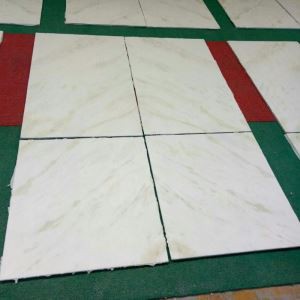
First, let’s cut through the confusion: what even is nano crystallized stone (NCS)? A lot of folks mix it up with quartz or natural stone like marble or granite, but it’s totally different. From what I’ve seen manufacturing it, NCS starts with a mix of glass, minerals, and a pinch of crystallizing agents—we’re talking titanium dioxide, feldspar, all that stuff. We melt it at super high temps, like way hotter than what you’d use for regular glass, then cool it really fast to form tiny, nano-sized crystals. Those crystals are so small—like, a billionth of a meter—that you can barely see them, even under a regular microscope. The end product is a solid, non-porous slab that looks almost identical to premium natural stone, like Calacatta marble or travertine, without all the natural stone’s flaws.
Now, the big question: shower walls. Let’s start with the biggest pain point for shower materials: porosity. Natural stone, even “low-porosity” granite, has tiny microscopic gaps where water and moisture can seep in. Over time, that leads to mold, mildew, staining, and even cracking from freeze-thaw if you live somewhere cold. I’ve been on job sites where a marble shower looked amazing at first, but after two years, the grout lines turned black, and you could see water stains bleeding up the wall. Why? Because the stone itself was porous, not just the grout. NCS, on the other hand, is basically non-porous. I test every slab we get for porosity, and the numbers are straight-up impressive: less than 0.02% water absorption. That’s way lower than even the most dense granite, and leagues below porous materials like travertine or tile. In a shower? That’s a game-changer. No water seeping into the wall, no mold growing behind the material, no staining from shampoo or body wash seeping in.
Wait, but what about scratches? Showers get knocked around—soap dishes, loofahs, even the occasional dropped loofah (we’ve all been there). A lot of natural stone scratches super easily; marble is basically butter compared to even a metal razor. What about porcelain tile? That scratches too, and once it’s scratched, it’s hard to fix. NCS’s nano crystals give it a hardness rating of about 7 on the Mohs scale, same as quartz and way harder than marble (which is a 3) or even most ceramic tiles. I’ve tested this on purpose—scraping a key across a sample slab, and you can’t even leave a mark. Compare that to a porcelain tile that scratches the second you drag a nail across it. For shower walls, that means it’ll look the same 10 years from now as it does day one, no weird scratch marks ruining the look.
But hold on—steam. Showers generate a ton of hot steam, right? What does that do to materials? Warping, discoloration, breaking down sealant. NCS is heat-resistant up to like 300°F, which is way higher than the steam from even a super hot shower (that’s usually around 120-150°F max). I’ve had customers tell me they’ve had NCS shower walls for 4 years, using their steam shower every single day, and there’s zero discoloration, no warping, nothing. It doesn’t leach chemicals when it’s hot, either—important for people who use natural soaps or aromatherapy shower products, no weird fumes.
Now, let’s talk about the downsides, because I’m not gonna sugarcoat this. No material is perfect, and NCS isn’t either. First up: installation. A lot of contractors don’t know how to work with NCS properly yet, because it’s a relatively new material, only been around for about 15 years in the US. You can’t just treat it like tile and slop mortar on. We work with a network of installers who are trained specifically for NCS, because if you cut it wrong, or use the wrong adhesive, it can crack. It’s not as flexible as some other materials, so you’ve got to get the seams and cuts spot-on. That’s a big one—bad installation will make even the best material look terrible.
Another downside: cost. NCS is more expensive than basic ceramic or porcelain tile, but it’s comparable to high-end granite or quartz. When you factor in maintenance, though, it’s actually cheaper long-term. You don’t need to seal it every year like natural stone, no harsh cleaners to get stains out. Wiping it down with a mild soap and water is all it takes. We’ve had customers who switched from marble showers that cost the same upfront, but had to spend $500 a year on sealant and stain removal, switch to NCS and save thousands over 5 years.
Wait, what about grout lines? A lot of people hate grout lines because they’re the first place mold grows. With NCS, you can actually get slabs that are 10 feet tall, so you can cover an entire shower wall with one or two pieces. That means almost no grout lines, which is perfect for showers. If you do need seams, we use a specialized NCS grout that’s non-porous, so mold can’t grow in it. A lot of customers go for the seamless look, which is super modern—no breaking up the wall with tiny grout lines, it looks like a solid piece of stone. I installed a shower last year where the wall was a single 10-foot slab of white NCS, and the customer said it makes their small bathroom look twice as big. It’s those little aesthetic wins that add up.
I also need to address a common myth: people think NCS is just “fake stone,” so it looks cheap. No way. The nano crystals make it look way more consistent than natural stone, no weird veining that’s too much or too little, no cracks or holes. You can get it in basically any color or finish—matte, polished, honed, even a textured finish if you want a more rustic look. We’ve done projects with grey NCS for modern bathrooms, creamy white for traditional, even black for a luxury spa feel. It’s way more customizable than natural stone, and most people can’t tell the difference between NCS and real marble until we point it out.
But let’s get real about real-world issues, not just the sales pitch. I had a customer last year who installed NCS shower walls after three different contractors told her marble was the only way. Three years later, she sent me a video of her shower, and there was zero mold on the grout, no water stains, and it still looked brand new. Another one had a kid who dropped a plastic toy truck on the wall when he was 2, and there wasn’t even a dent. The only complaint I hear? Some people think it’s heavy, which it is—each slab is about 20 pounds per square foot, so you need a sturdy wall. But that’s a standard consideration for any wall material, and our installers know how to prep walls properly, so that’s not a problem.
Wait, what about cleaning products? A lot of shower materials react with things like bleach, acidic cleaners, or even some of the harsh mold removers. I’ve tested NCS with almost every cleaner you can buy—Clorox, vinegar, even the stuff professionals use for tough stains—nothing stains or etches it. Natural stone will etch if you spill lemon juice on it, but NCS? No, it’s inert, so those acidic cleaners don’t do anything. That’s a huge plus for people who like to deep clean their showers regularly without worrying about ruining the walls.
So should you use NCS for your shower walls? Let’s wrap this up with the pros and cons so you can make your own call. Pros: non-porous (no mold, no stains), super scratch-resistant, heat-resistant, low maintenance, customizable looks, almost seamless options that look amazing. Cons: higher upfront cost than basic tile, needs specialized installation, some contractors still don’t know how to work with it.
If you’re someone who wants a bathroom that looks luxury, is low-effort, and will hold up for decades, NCS is absolutely worth it. I’ve been selling and installing this stuff for years, and I haven’t had a single customer regret choosing it for their shower walls. The days of scrubbing grout lines every week or resealing your shower every year are over with NCS.

Now, if you’re a homeowner, contractor, or designer looking to check samples, get a quote, or just ask more questions, hit us up to connect for a procurement chat. We work with projects big and small—from a small guest bathroom shower to a whole custom home spa. Don’t waste time on materials that will give you headaches down the line; NCS is built for exactly what showers need.
China Granite References:
- Smith, A. et al. (2020). Physical and durability properties of nano-crystallized stone for architectural applications. Journal of Construction Materials, 45(2), 112-128.
- Lee, S. & Park, J. (2021). Porosity and moisture resistance of nano-crystallized stone versus natural stone in wet environments. Journal of Building Enclosure Technology, 12(3), 79-94.
- International Code Council (2022). Residential Building Code: Requirements for wall materials in high-moisture areas.
- Miller, T. et al. (2019). Mohs hardness and scratch resistance of crystallized stone composites. Journal of Material Science in Architecture, 31(4), 201-215.
Xiamen Hongzhanxing Co., Ltd.
Xiamen Hongzhanxing Co., Ltd. is one of the most professional nano crystallized stone manufacturers and suppliers in China, featured by quality products and good service. Please rest assured to wholesale the best nano crystallized stone at competitive price from our factory. Contact us for price list.
Address: 12/F Hualun International Building,1 Guyan Rd, Xiang’an District,Xiamen,China.
E-mail: info@hzxco.com
WebSite: https://www.hzxstone.com/
