Alright, let’s cut to the chase—you invested in a solid armory door lock for your facility, right? Not just any lock, the kind that’s built to hold up under constant use, maybe a little abuse, and definitely under pressure. But here’s the thing: even the toughest lock won’t last a decade (let alone keep your gear safe) if you ignore basic maintenance. I’ve been sourcing and selling armory doors and locks for over 8 years now, and I’ve seen way too many guys skip simple upkeep, then end up with a jammed lock, a stolen rifle, or a repair bill that’s way bigger than it should be. This isn’t rocket science, but it’s specific. Armory door locks aren’t your front door deadbolts—they take way more hits, get handled more often, and need to hold up to all kinds of environments. Let’s break this down into stuff you can actually do, no fancy tools or security clearance required. Armory Doors
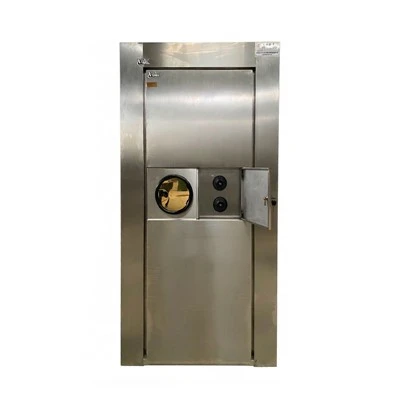
First, let’s talk about the basics that most people sleep on: regular visual checks. I’m not talking about standing there for 20 minutes squinting—just a 60-second walkaround every time you do a facility check. Look at the locking mechanism, especially the deadbolt or the latch that slides into the strike plate. Is there any rust? Even a tiny spot can turn into a big problem fast, especially if your armory is in a damp place (like a basement or a facility near the coast). Check the strike plate too—screws loose there mean the lock isn’t actually engaging right. If the deadbolt only slides half way when you turn the key, that’s a red flag you don’t want to wait on. I had a customer last year who noticed a tiny rust speck on his lock and blew it off. Three weeks later, he tried to open the door before a morning shift, and the deadbolt was seized solid. He had to call a locksmith, but worse—his entire armory was locked up for 12 hours, and he missed a inspection. That could’ve all been avoided if he just did a quick visual. And don’t forget the key! If your key feels sticky when you insert it, or if it takes a second to turn, that’s not normal. Stop using it until you fix the lock—because forcing a sticky key is how you snap it off inside the cylinder. I’ve pulled way too many broken key pieces from armory locks; it’s a nightmare to extract, and you’re gonna have to rekey the whole cylinder after that anyway.
Next up, cleaning— and this is where people mess up the most. You can’t use WD-40. Seriously, stop grabbing that can from the garage. WD-40 is a solvent, not a lubricant. It gets rid of gunk, but it evaporates in a week or two, and then it leaves a sticky residue that attracts way more dust and crud. That crud is what causes jams. And if you use it on a lock that’s already got rust, it won’t do jack for the rust—just makes it worse over time. So what do you use? I recommend a dry lubricant, specifically one made for metal locks—something with Teflon or graphite, not the greasy kind. But before you lube, you gotta clean the lock properly. How? Take a can of compressed air (the kind you use for keyboards works perfect) and blow out all the gunk from the keyway. Hold the door slightly ajar, blast the keyway from a few angles, and you’ll see all the dirt, old lubricant, and even tiny metal shavings (from the key rubbing) fly out. If the gunk is extra stubborn, you can use a cotton swab dipped in isopropyl alcohol to wipe the inside of the keyway—just make sure it’s 90% or higher alcohol, and don’t overdo it. Let it air dry completely for 5 minutes before you touch it again. Once it’s dry, that’s when you apply the dry lubricant. A quick spray or puff into the keyway, then insert your key a few times to work it in. Don’t overdo lube—less is more. Too much lubricant is just as bad as too little; it’ll hold onto dirt and cause jams later. I had a customer last month who sprayed half a can of WD-40 into his lock because “it felt rough.” By the end of the week, his key was so coated in sticky gunk that the lock wouldn’t turn at all. We had to disassemble the cylinder, clean every part, and re-lube correctly. Total waste of time and money. So: clean first, use dry lubricant only, no WD-40, and don’t overdo it.
Then there’s the part that everyone forgets: checking the alignment of the lock and strike plate. This is super important because if the lock isn’t lined up right, it’s going to wear out way faster, and it might not even lock properly when you need it. How do you check alignment? Close the door, turn the lock to lock it, then open it back up. Look at where the deadbolt or latch went into the strike plate. Is it perfectly centered? Or is it rubbing on the top, bottom, or side of the hole? If it’s off, you’ve got an alignment issue. Most of the time, this is easy to fix—you just have to loosen the strike plate screws, tap the plate slightly in the direction you need, and re-tighten. But don’t crank the screws too hard! That can strip the wood or metal around the strike plate, and then you’re gonna have to fill the hole and re-drill, which is more work. If alignment is way off—like if the deadbolt hits the frame above or below the strike plate—you might need to adjust the hinges on the door. That’s a little trickier, but even a DIY person can do it with a wrench. The key here is to catch alignment issues early. If you wait until the lock is forcing itself into a wrong spot, you’ll end up with a bent latch, a warped strike plate, or even a damaged door frame. All of that leads to a lock that doesn’t hold up, and that’s bad news for your armory.
Another thing I see all the time: not testing the lock regularly. You don’t want to wait until something happens to try your key. Get in the habit of testing the lock twice a week—when you open in the morning and when you lock up at night. Insert the key, turn it all the way, make sure the deadbolt extends and retracts smoothly, and that the door actually latches. Also, test the deadbolt manually (if your lock has a thumbturn on the inside) every so often. Sometimes the keyway part works fine, but the internal mechanism is sticky. And if your lock has any electronic parts (we make a lot of keypad or card-swipe armory locks now), you’ve gotta test those too. Make sure the battery is charged, that the code works, that the card reader isn’t glitching. Batteries die way faster than you think, especially if they’re in use every day. I recommend replacing the batteries in electronic armory locks every 6 months, even if they still seem to be working. Don’t wait for the “low battery” warning—most of the time, that warning only pops up when the battery is already dead enough to lock you out. That’s a problem when you’re trying to access your weapons after hours or during an emergency.
Wait, what about when things do go wrong? I’m not saying you have to be a locksmith, but there’s a difference between regular maintenance and fixing a broken lock. If you see rust that’s more than a tiny spot, or if the deadbolt is sticking even after cleaning and lubricating, or if the key breaks in the cylinder—don’t try to force it. Stop using the lock, and either reach out to your armory door supplier (that’s us, by the way) or a licensed locksmith. Armory locks aren’t standard residential locks; they’re heavy-duty, and disassembling them wrong can mess up the security features. A lot of guys try to “fix” a seized lock with a hammer or a screwdriver, and then they end up having to replace the whole cylinder or even the whole lock, which is way more expensive than just calling a pro early on.
Also, let’s talk about environment-specific maintenance. If your armory is in a place that gets super cold, like a mountain facility, lubricants can thicken up and stop working properly. You’ll need to re-lube more often—maybe every 2 months, instead of every 6. If it’s in a humid place, like a coastal base, rust is a bigger risk. You can wipe down the lock with a dry cloth every few weeks to get rid of excess moisture, and maybe use a rust inhibitor spray (make sure it’s compatible with your lock’s metal parts) a couple times a year. And if your armory is used a lot—like if you’re deploying or training multiple times a day—you’ll want to do visual checks and light cleaning once a week, not just every month. Heavy use means more wear and tear, so you can’t set it and forget it.
I know this all sounds like a lot of extra work, but let’s be real: replacing a $150 lock every year is way more expensive than doing 10 minutes of maintenance once a month. And more importantly, a well-maintained armory lock is the first line of defense for your gear, your personnel, and your facility. I’ve had clients come to me after a break-in attempt, and their lock was 10 years old but still working perfectly because they did the right maintenance. Other clients come to me because they had a lock that seized up and someone tried to break in, or worse—they locked themselves out and couldn’t access weapons during an emergency. That’s not the kind of headache you want to deal with.
At the end of the day, maintaining an armory door lock isn’t complicated. It’s about small, consistent steps: quick visual checks, cleaning the keyway with compressed air, using the right lubricant, checking alignment, testing regularly, and adjusting for your environment. You don’t need special tools or training, just a little bit of attention once a month. If you need help picking the right lubricant for your specific lock, or if you have questions about adjusting alignment or troubleshooting a sticky lock, hit us up. We know armory locks inside and out, and we’re here to help make sure your equipment is secure 24/7. Don’t wait until it’s too late—take 10 minutes this week to check your lock, and save yourself a whole lot of trouble down the line.
If you have questions about armory lock maintenance or need to source reliable armory door and lock solutions, get in touch with our team to start a procurement discussion.
Mobile Vaults References
- National Fire Protection Association. (2020). NFPA 101: Life Safety Code. Chapter 10: Means of Egress, Section 10.2.3.4 Maintenance of Locking Devices.
- Underwriters Laboratories Inc. (2019). UL 1034: Standard for Security Alarms for Weapons Storage and Armory Doors. Section 7.2 Maintenance Requirements.
- Lock Manufacturers Association. (2021). Heavy-Duty Lock Maintenance Best Practices for Industrial and Government Facilities.
- U.S. Department of Defense. (2018). DoD Armory Security Manual: Volume 3, Physical Security and Lock Maintenance.
Hebei Xinrui Intelligent Technology Development Group Co., Ltd.
With abundant experience, we are one of the most professional armory doors manufacturers and suppliers in China. We warmly welcome you to buy high quality armory doors at competitive price from our factory. If you have any enquiry about customized service, please feel free to email us.
Address: No.1, Building B, Intelligent Security Industry Park, Economic Development Zone, Wuyi County, Hengshui City, Hebei Province
E-mail: shinraysafe@163.com
WebSite: https://www.shinraysafe.com/
