When I first started out as a security wire supplier over 12 years ago, I’d be lying if I said I didn’t get a call every single week from someone who’d just bought a new property, or was finally working up the nerve to add perimeter protection after years of putting it off, and asking the same thing: “Is security wire easy to install for beginners?” Back then, I’d have given them a vague, reassuring answer—because I wanted to sell the product, plain and simple. Now, after listening to thousands of installers, DIY homeowners, and even small business owners who’ve tried to tackle this themselves, I can give them a real, nuanced response: yes, security wire is very doable for beginners, but only if you go into it with the right mindset, tools, and guidance. Let me break this down, because it’s not as cut-and-dry as just grabbing a spool and a pair of pliers. Security Wire
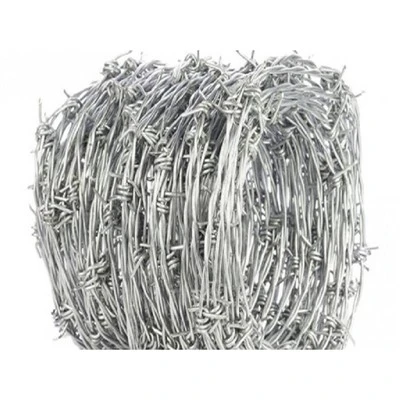
First, let’s get one thing straight: not all security wire is created equal. I’ve seen beginners pick up a generic barbed wire roll from a home improvement store and call it a day, and that’s where a lot of mistakes start. The security wire we supply isn’t the sharp, intimidating stuff you see in old western movies—it’s a galvanized steel wire, usually 12 to 14 gauge, with a low-tension design that’s built for both deterring intruders and being easy to work with. That low-tension part is make-or-break for a first-timer. High-tension wire, the kind used in agricultural fencing for livestock, can be 16 gauge or thicker, requires heavy-duty stretchers, and is often too rigid for someone who’s never strung a line before. Our security wire bends just enough to follow uneven fence posts or small gaps between trees, which is why so many beginners tell me they finished their project in a single weekend, no prior experience needed.
But let’s talk about the actual installation steps, because that’s where the “easy” part starts to feel less so if you skip prep work. A common mistake I see is beginners showing up to the job site with only their wire, and no other supplies. The basics you’ll need—even as a first-timer—are concrete or metal fence posts, tensioners, insulators, and a pair of wire cutters that can handle galvanized steel. Wait, insulators? Yeah, that’s a big one. If you’re running your security wire along an existing wooden fence, insulators keep the wire from rubbing against the wood, which prevents rust and keeps the tension consistent over time. I once had a guy call me panicking, three days after he strung his first line, because the wire had snapped in a few places overnight—turns out he’d skipped insulators, and the friction against the wooden posts had worn through the coating, weakening the wire. That’s a small, easy fix, but it’s one that catches beginners off guard.
Now, for the step-by-step breakdown that makes this feel simple. First, mark your perimeter. This is the most tedious part, and the part most beginners rush through. You need to space your posts every 10 to 15 feet, especially if you’re on flat, soft ground. If you’re on a slope, you’ll want posts every 8 to 10 feet to keep the wire line smooth. I always tell first-timers to use spray paint to mark post locations before they dig, because moving a post 6 inches isn’t hard, but moving 10 posts after you’ve dug them is a nightmare. Digging post holes is the next step, and here’s where even a beginner can make it easy: a manual post hole digger works perfectly for 2 to 3 foot holes (which is all you need for residential or small commercial installations). Fill the holes with concrete, let it set for 24 hours, and you’re ready for the wire.
Once your posts are set, stringing the wire is where it stops being scary. Start at one end post, attach the wire to the insulator, and use a tensioner to pull it tight. I can’t stress enough how important a tensioner is for beginners—you don’t need a heavy-duty one, just a small, handheld tensioner that fits around the wire and lets you adjust the tension without over-stretching it. Over-stretching is another common mistake; if the wire is too tight, it will snap during temperature changes (when metal expands in heat and contracts in cold) or if a small animal bumps into it. Our security wire has a tensile strength of about 1,200 pounds, which is more than enough to deter a human intruder (they’ll cut it if they’re determined, but the wire will stand up to a pull or a light knock), and the low-tension design means beginners can get it just right without guessing.
Wait, let’s talk about what beginners don’t need to worry about. You don’t need any formal engineering training, you don’t need a license (for most residential properties, at least), and you don’t need a ton of heavy machinery. I had a retiree in Ohio last year who installed a 100-foot perimeter around his backyard—he’d never done anything like that before, just followed the instructions on the wire spool, watched a couple of 5-minute tutorials on YouTube, and finished in two days. He told me the hardest part was digging the post holes, and even that got easier once he bought a $40 manual digger. That’s the thing: security wire for beginners is designed to cut out the complexity that comes with larger, industrial-grade products. We even include a free installation guide with every spool we sell, with step-by-step photos for each part—no jargon, no confusing technical terms.
But let’s be honest about the limitations, because “easy” doesn’t mean impossible to mess up. If you’re trying to install a 500-foot perimeter around a commercial warehouse, that’s going to take more time, and maybe a helper. If you have uneven terrain, like rocky ground that makes digging post holes hard, that might add a few extra hours. And if you’re trying to pair security wire with electric fencing (to add an extra deterent), that does require a little more research on how to connect the two without damaging the wire. But for the average beginner—someone with a small yard, a small shop, or a property that needs a basic low-level barrier—this is all manageable.
I’ve also had beginners come back to tell me that one of the best parts about security wire is that it’s low-maintenance. Once it’s installed, you don’t have to do much—just check the tension once a year, replace any broken sections, and it lasts for 15 to 20 years. That’s a big plus for someone who doesn’t want to be fussing with their fence every few months. I once had a customer in Texas who installed security wire in 2010, and just last year he called to tell me he’d never had to replace a single section—even through extreme heat and heavy rain. That’s the kind of reliability we build into our products, which is why so many beginners keep coming back when they need more wire for expanding their perimeter.
Now, if you’re a beginner thinking about taking on this project, here’s my best advice: don’t skip the prep work, and don’t try to use equipment that’s too heavy. Start with a small test section—maybe 20 or 30 feet—before you tackle your full perimeter. That way, if you mess up the tension or the insulator placement, you’re not wasting a whole spool of wire. And if you run into a problem mid-project, don’t hesitate to reach out. As a supplier, I don’t just sell wire—I help beginners through every step, from choosing the right gauge to troubleshooting a stuck tensioner. I’ve talked people through fixing a snapped wire over the phone at 8 p.m. on a Friday, and walked a dad through installing the first line around his daughter’s playset after he realized he’d marked his post holes too close together. That’s the kind of support you don’t get from big-box stores, and it’s why our customers keep telling us security wire is the easiest perimeter installation they’ve ever done.
If you’re ready to get started on your security project and want to make sure you have the right product, supplies, and guidance for a smooth installation, don’t hesitate to reach out to us to discuss your specific needs. We’re here to help beginners every step of the way, and we’ll make sure you have everything you need to get the job done right.
Security Wire References:
- National Association of Home Builders. (2022). Perimeter Security for Residential Properties: A Beginner’s Guide.
- American Fence Association. (2021). Low-Tension Wire Fencing Installation Best Practices.
- Galvanized Steel Manufacturers Association. (2020). Longevity of Residential Security Wire Products.
- DIY Home Improvement & Repair Forum. (2023). User Experiences with Beginner-Friendly Security Wire Installation.
Firmstone (Tianjin) International Limited
Firmstone (Tianjin) International Limited is one of the most professional security wire manufacturers and suppliers in China, featured by quality products and good service. Please feel free to buy bulk advanced security wire made in China here from our factory. Welcome to contact us for quotation.
Address: 411, Prophet Valley, No.10, Meiyuan Road, Huayuan Industrial District, Xiqing District, Tianjin
E-mail: vivianjia@firmstonewire.com
WebSite: https://www.firmstonefactory.com/
