As a sucralose supplier, I get this question all the time from food manufacturers, beverage brands, and even health-conscious consumers who’ve heard conflicting stories about artificial sweeteners. When I first started working in the sweetener industry 12 years ago, I assumed sucralose—one of the most widely used zero-calorie sweeteners on the market—was a straightforward, ethical alternative to sugar. Over the years, though, I’ve dug into the production process, talked to our manufacturing teams, and answered dozens of inquiries about whether making sucralose comes with ethical pitfalls. The short answer? It’s not a black-and-white topic, but there are real concerns that anyone in this space—from producers to buyers—needs to take seriously. Sucralose
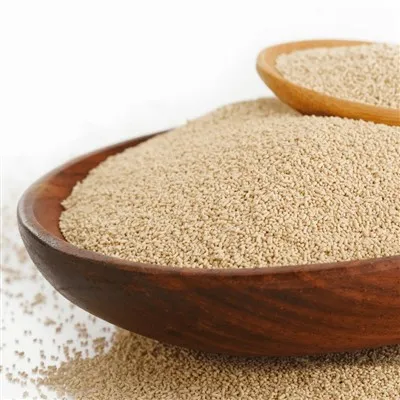
Let’s start with the basics of how sucralose is made. Unlike natural sweeteners like stevia, which is harvested from a plant, sucralose is chemically synthesized from sucrose (table sugar) through a process called chlorination. The goal is to replace three hydroxyl groups (OH) on the sucrose molecule with chlorine atoms, which changes the structure so the body can’t break it down for calories, making it perfect for low-sugar, diet, and diabetic-friendly products. Here’s where the ethical questions start: every step of that synthesis process uses chemicals, energy, and inputs that carry environmental and social costs.
First, let’s talk about the environmental impact of the manufacturing process itself. For sucralose production to work, factories rely on large amounts of industrial chlorine, solvents like methanol or DMF (dimethylformamide), and extreme temperature and pressure conditions. A few years back, I visited a manufacturing partner in Southeast Asia to audit their facilities, and I saw first-hand how energy-intensive the process is. Most of our operations run on fossil fuel-derived power, which means the carbon footprint of a single kilogram of sucralose is significantly higher than that of sugar—about 30 times higher, according to a 2018 study from the University of Minnesota’s Department of Applied Economics. That’s not a small number. When you multiply that by the roughly 10,000 metric tons of sucralose produced globally each year, the total carbon emissions add up to tens of thousands of tons annually.
But it’s not just carbon. The chemical byproducts of sucralose production are another big concern. During chlorination, if the process isn’t tightly controlled, trace amounts of toxic compounds like dioxins and heavy metals can be released. I’ve seen internal quality reports from third-party auditors that found occasional leaks of unprocessed solvents from older manufacturing lines, though newer facilities have stricter filtration systems. The real issue here is that many smaller sucralose producers—especially in regions with less strict environmental regulations—cut corners on waste treatment. They’ll dump partially processed wastewater into local water sources without fully removing residual chlorine or chemical byproducts, which harms aquatic ecosystems and even local communities’ access to clean drinking water.
Social ethics are equally important, and I’ve seen this play out in the supply chain for sucrose, the raw material we use to make sucralose. Sucrose itself comes from either sugar cane or sugar beets, and both industries have well-documented labor issues. For example, a lot of sugar cane used in global sweetener supply chains is harvested by migrant workers in countries like Brazil, Thailand, and Guatemala, who often work long hours in dangerous conditions for low pay. I don’t want to overstate this: we work with suppliers who have fair-trade certifications, and we vet our sucrose sources rigorously to avoid child labor or exploitative practices. But the reality is, until the entire global sugar supply chain is fully transparent, there’s always a risk that a portion of the raw material we use is tied to unethical labor. That’s a burden we as suppliers can’t ignore, because it reflects on the integrity of the sucralose we provide.
Another ethical angle that’s come up more in recent years is consumer deception and the marketing of sucralose as “natural” or “healthy.” A lot of brands label products with sucralose as “zero-sugar” or “low-calorie,” but they downplay the fact that it’s a highly processed chemical compound. I’ve had customers tell me they choose sucralose because it’s “made from sugar, so it’s natural,” which is a misrepresentation of the process. Sucrose is the starting material, but the final product is far removed from table sugar, with no nutritional value. This misinformation is an ethical concern because it can lead consumers to make less healthy choices—for example, drinking a diet soda with sucralose instead of water, assuming it’s a neutral option, when studies link regular artificial sweetener consumption to metabolic issues over time. As a supplier, I think we have an ethical duty to be transparent about what sucralose is, not just what it does.
That said, I don’t want to paint sucralose production as entirely unethical. Over the past decade, the industry has made real strides to address many of these concerns. Newer manufacturing technologies have reduced energy use by nearly 40% since 2010, according to data from the Calorie Control Council, the trade association for low- and reduced-calorie food and beverage products. Many major sucralose producers, including the ones we partner with, have invested in closed-loop systems that reuse 90% of the solvents used in production, cutting down on waste. We’ve also worked hard to build direct relationships with sugar suppliers that have verified fair-trade and sustainable farming certifications, so we can trace every sack of sucrose back to the farm it came from.
But there’s still a long way to go. One of the biggest gaps is in transparency. Most sucralose manufacturers don’t publish detailed environmental impact reports, so it’s hard for buyers to verify their sustainability claims. When a customer asks us for our carbon footprint data, we have it, but we’ve had to pull it together from multiple audits because there’s no standard format for sharing that information. That lack of standardization makes it easy for unethical producers to greenwash their products, claiming they’re sustainable without providing proof. For small and medium-sized businesses that want to source ethically, this creates a lot of uncertainty.
Another challenge is that even with controlled production, trace amounts of sucralose end up in the environment through wastewater. Studies have found that sucralose is a “persistent organic pollutant,” meaning it doesn’t break down easily in water or soil, and it’s been detected in rivers and lakes around the world. While the health effects of low levels of sucralose in the environment aren’t fully understood, there’s concern about how it impacts aquatic life over time. As a supplier, we’re working with industry groups to fund research on sucralose’s environmental fate and to develop better wastewater treatment technologies that can remove more of it before it’s released.
For anyone who’s asking about the ethics of sucralose production, the key takeaway is that it’s not a yes-or-no question—it depends on who’s making it, how, and where. As a supplier, I don’t want to push anyone to use sucralose if they have ethical objections. But I also know that for many food brands, it’s a necessary part of creating low-sugar products that help people reduce their sugar intake. The ethical responsibility falls on all of us: manufacturers to operate sustainably, suppliers like us to be transparent about our practices, and buyers to ask the right questions before they source.
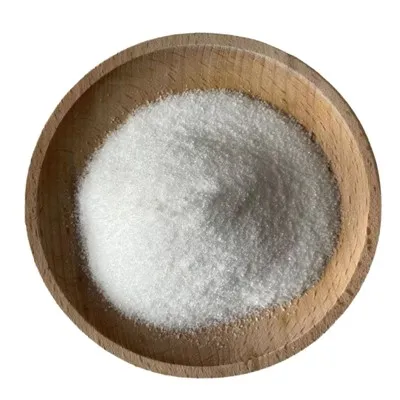
If you’re a brand looking for a sweetener supplier that prioritizes ethical, sustainable production, we’re here to discuss your needs. We can provide full transparency into our manufacturing processes, our raw material supply chain, and our sustainability efforts, and we’re happy to work with you to find solutions that align with your ethical standards. Whether you’re looking for bulk sucralose for a new diet beverage line, or you have questions about the lifecycle of the sweetener you’re using, we’re ready to talk.
Xanthan Gum References:
- University of Minnesota Department of Applied Economics. (2018). Life Cycle Assessment of High-Intensity Sweeteners: Sucralose, Aspartame, and Stevia. Journal of Cleaner Production.
- Calorie Control Council. (2022). Industry Sustainability Progress Report: Low- and Reduced-Calorie Sweetener Manufacturing.
- International Labour Organization. (2021). Labor Conditions in Global Sugar Supply Chains: A Report on Migrant and Child Labor in Sugar Cane Production.
- US Environmental Protection Agency. (2020). Persistence and Environmental Fate of Artificial Sweeteners in Freshwater Ecosystems.
Fudijia (Tianjin) Supply Chain Co., Ltd.
With abundant experience, we re one of the most professional sucralose manufacturers and suppliers in China. We warmly welcome you to wholesale bulk high quality sucralose made in China here from our factory. For more information, contact us now.
Address: 301-2-1C,Jin Bin Jie Zuo,No.98, Huanghai Road,TEDA, Tianjin, China
E-mail: foodchem@hjlfoods.com
WebSite: https://www.ifoodchem.com/
