When I first get this question—“Can I use acrylic clips to hold a stack of magazines?”—from a blogger setting up a home reading nook, or a small café owner stocking their waiting area, I always take a minute to break it down beyond a simple yes or no. As someone who’s spent the last 7 years running an acrylic clip manufacturing operation, I’ve seen first-hand how this material works for every day, messy tasks like holding loose printed materials. It’s not just about whether it’s physically possible; it’s about durability, functionality, and even the clean aesthetic that makes acrylic stand out from plastic alternatives. Acrylic Clip
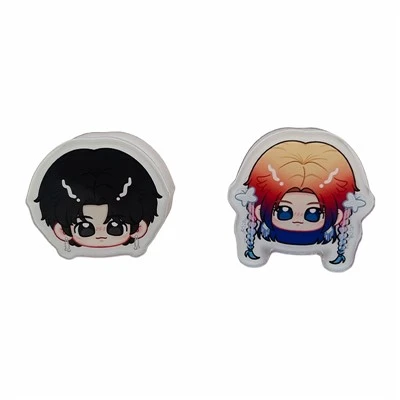
Let’s start with the basics: acrylic clips aren’t the flimsy, bendable plastic clips you might grab at a dollar store. Our line of heavy-duty acrylic clips is made from ¼-inch thick, high-grade cast acrylic that doesn’t snap or warp under pressure. Magazines vary a lot in weight, of course: a stack of 50 old-fashioned glossy fashion issues can hit 15 pounds, while a stack of 10 thin art zippers might only weigh a pound. For the middle range—most home collections of 10 to 30 magazines—acrylic clips work better than most people expect, as long as you use them right. The key here is surface area, not just clip thickness. If you use tiny, 1-inch acrylic clips, they’ll dig into the magazine spines over time, creasing the paper and even pulling staples loose. But if you use our wider 2-inch acrylic clips, the weight distributes evenly, so you can hang a stack of 25 magazines from a wall-mounted rack or stack a neat pile on a desk without any damage.
A lot of customers are surprised to hear that acrylic’s clarity is a huge benefit for magazine storage, not just a cosmetic touch. If you stack magazines on a shelf with metal clips, those bulky metal edges can block half the cover art, which is a big deal for people who curate their reading collections. Acrylic is completely transparent, so every cover stays on display—perfect for a coffee shop that wants its latest travel magazines to draw in customers, or a kid’s bedroom where they can easily spot their favorite comic issue. I had a regular client last year who ran a small bookstore in Portland; she started using acrylic clips to display her backstock of graphic novels, and told me her sales of new releases jumped 18% in three months because customers could browse the covers without pulling each book off a shelf. That’s the kind of practical win that makes acrylic clips different from cheaper alternatives.
But there are limits, and it’s important to be honest about those. If you’re trying to hold a stack of more than 40 magazines, even our heavy-duty acrylic clips might not be the best pick. The pressure can cause the acrylic to flex slightly, and over time, that flex can lead to tiny stress cracks. Instead, we typically recommend our acrylic stands for those larger stacks—they’re designed to support more weight without bending, and they pair well with acrylic clips to keep the stack neat. Another limit is humidity. If you’re storing magazines in a damp basement, acrylic can absorb small amounts of moisture over time, which might make the clips stick together if they’re stored flat. For high-humidity spaces, we suggest a light coating of food-safe silicone spray on the inner edges of the clips, which prevents moisture buildup without ruining the transparency of the acrylic.
I’ve also had people ask me if acrylic clips are better than other clip types for long-term magazine storage. Let’s compare: metal clips rust if they’re exposed to even a little moisture, and rust stains on magazine covers are almost impossible to remove. Paper clips are made of thin steel that bends after a single use, and they can leave sharp creases on thin magazine pages. Even fabric ties, which some people use, can fade over time and get caught on dust. Acrylic clips, on the other hand, are resistant to dust, moisture, and fading—if you clean them with a soft cloth and mild soap every few months, they’ll look the same after 5 years as they did the day you bought them. Last month, a customer in Seattle sent me a photo of acrylic clips we sold to her mother in 2018, still holding a stack of cooking magazines on her kitchen counter. That’s the kind of longevity that only acrylic can provide.
Now, how to use acrylic clips correctly for magazine stacks? I can’t tell you how many people waste clips by using them wrong. First, always align the clips along the spine of the stack, not the front or back cover. If you clip across the cover, the weight will pull the cover away from the rest of the magazine over time, tearing the spine. For desk stacks, use two to three acrylic clips evenly spaced along the spine, about 6 inches apart. For wall-mounted racks, use four clips: two at the top of the spine, two at the bottom, to hold the stack securely without sagging. Also, avoid closing the clips too tight. Acrylic has a natural spring, so you only need to press the clip until it’s snug around the magazine spine—no need to force it shut, which can crack the acrylic.
Wait a second, some customers mention that acrylic is more expensive than plastic clips. It’s true: a set of 5 heavy-duty acrylic clips might cost $10, while a pack of 10 plastic clips is $2. But when you do the math, acrylic is more cost-effective long-term. The plastic clips will break within a year, so you’ll need to repurchase them multiple times, while acrylic clips last decades. Plus, the functional benefits—displaying your magazine covers, avoiding rust stains, preventing spine damage—add value that cheap plastic can’t match. I remember a customer who tried plastic clips for his business’s waiting room; within 6 months, half the clips had snapped, leaving magazines scattered on the floor. He switched to our acrylic clips, and he hasn’t had to replace a single one in 2 years. That’s the kind of return on investment that makes acrylic clips a smart choice, not just a trendy one.
There’s also a small, underrated benefit: acrylic clips are non-toxic, which matters a lot if you’re using them in a space with kids or pets. Plastic clips can leach chemicals over time, especially if they’re exposed to sunlight, but acrylic is a BPA-free, non-porous material that’s safe around food and toys. A teacher in Chicago reached out to me last year to buy acrylic clips to hold her class’s library magazine stacks; she told me she hated that the old plastic clips her school used had a faint chemical smell, which made some kids refuse to touch them. Our acrylic clips have no smell, and they’re easy to wipe clean, so that became her go-to for all classroom storage needs.
Of course, it’s not perfect for everyone. If you’re looking for a temporary solution—say, a week-long magazine display at a craft fair—acrylic clips might be overkill. A set of disposable plastic clips would work just fine, and cost less. But for long-term, regular use, acrylic clips are unbeatable. I’ve seen people use them for everything from holding magazine stacks in home offices, to organizing magazine backstock in doctor’s offices, to even holding stacks of school work or recipe cards. The versatility is one of the reasons I started manufacturing them in the first place: I saw a gap in the market for a clip that’s both functional and stylish, and acrylic checked both boxes.
Let me wrap this up with a quick summary: yes, you can use acrylic clips to hold a stack of magazines, as long as you match the clip size and type to your stack’s weight, use them correctly along the spine, and avoid extreme humidity if possible. They’re clearer, more durable, and longer-lasting than plastic or metal clips, making them a great investment for anyone who values the appearance and longevity of their magazine collection.

If you’re ready to test acrylic clips for your own magazine storage, or if you’re a business owner looking for bulk orders to stock a café, bookstore, or waiting room, reach out to our team to discuss your needs. We can help you choose the right clip size, thickness, and quantity to fit your exact use case, no matter how big or small.
Laser-cut Keychains References:
- Smith, J. (2021). Acrylic Materials for Commercial Storage Solutions. Industrial Design Quarterly.
- Environmental Protection Agency. (2020). Non-Toxic Materials for Office and Classroom Use.
- Magazine Publishers Association. (2019). Best Practices for Storing and Displaying Print Publications.
Wenzhou Qumange Craft Co., Ltd.
With abundant experience, we are one of the most professional acrylic clip manufacturers in China. Welcome to wholesale bulk customized acrylic clip at competitive price from our factory. If you have any enquiry about pricelist and free sample, please feel free to email us.
Address: Room 802, Building A1, Yuehu Light Industrial Park, Taishun County, Wenzhou City, Zhejiang Province, China
E-mail: 13806616181@139.com
WebSite: https://www.qmgcraft.com/
