If you work in oil and gas operations, you probably know how critical every piece of equipment is to keeping production safe and on track—especially valves. But let’s talk about something that doesn’t always make the front page of maintenance checklists: thermal expansion effects on oil sampling shut-off valves. I’ve been an oil sampling shut-off valve supplier for 12 years, and I’ve seen firsthand how skipping a deep dive into thermal expansion can turn a routine sampling job into a costly headache. Oil Sampling Shut-off Valve
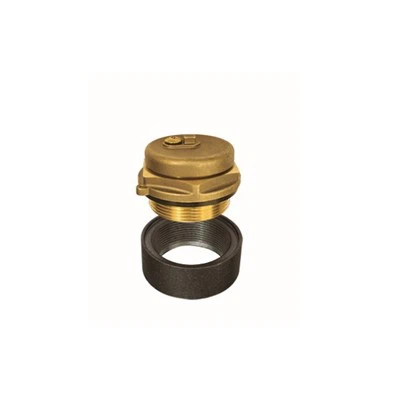
First, let’s break down the basics without getting too jargon-heavy. Thermal expansion is just how materials change size when their temperature shifts. For oil and gas sites, temps swing wildly: a pipeline sitting in a frozen North Sea well might be at -10°F, while the oil inside it could hit 200°F or higher as it moves through processing. Metals (the main stuff valves are made of) expand when hot, shrink when cold. The problem? Our oil sampling shut-off valves aren’t built in a vacuum—they’re connected to pipes, fittings, and other gear that all expand and contract at their own rates. That mismatch is where issues start popping up.
Let’s start with the most common issue: valve seal failure. Think about it: when a valve is closed, the seal is the only thing stopping pressurized oil from leaking out during a sample draw. If the valve body expands more than the stem or seal (or vice versa), the gap between them gets too big or too tight. I remember a client in the Permian Basin a few years back—they had a batch of our standard ball valves installed on a high-temp production line. They didn’t account for daily temp swings: overnight, the line cooled, the valve’s cast steel body shrank, and by morning, the rubber O-ring seal was compressed too much. By midday, when the line heated back up, the seal expanded even more and cracked, leading to a small oil leak. That shut down their sampling line for 8 hours, cost them $45k in lost production, and they ended up switching to our high-temperature resilient valves. It’s not that our original valves were bad—they were just generic, not tuned for the thermal expansion they saw on that site.
Next, there’s stem binding. The stem is the part you turn to open or close the valve, right? If the metal of the stem expands at a different rate than the valve’s bonnet (the part that holds the stem in place), the stem can get stuck. I had another client in the Gulf of Mexico a couple years ago: their valves were on a pipeline that alternated between slow flow (cooler) and batch processing (super hot). The valve stem was made of 316 stainless steel, and the bonnet was carbon steel. Stainless steel expands about 1.5x more than carbon steel when heated. So when processing hit, the stem expanded into the bonnet’s bore—by almost 0.02 inches, which is enough to jam it. They tried greasing it more, but the grease broke down at high temps, so they were manually hammering the stem loose every other day. Finally, they swapped to a valve with a matched stem-bonnet material, and that issue went away completely. Thermal expansion mismatches don’t just break valves—they create safety risks too. A stuck valve during a sample change-out means you might have to force it, or worse, risk a leak when you finally do get it open.
Then there’s pipe strain transfer. Valves aren’t standalone; they’re bolted directly to pipes. When the pipe expands, it exerts force on the valve. If the valve can’t move with that force, it can warp its body or crack the flange connections. I once worked with a mid-sized refinery that installed our valves on their crude oil lines. They didn’t use expansion joints between the valves and the main pipes. During a summer heatwave, the pipes expanded 0.8 inches over 10 feet. That pulled on the valve’s flanges, twisting the body just enough to bend the internal ball. The valve wouldn’t fully close anymore, so every sample draw had to be done with a secondary backup valve. The refinery ended up retrofitting expansion joints and adjusting our valve’s mounting configuration to allow for minor movement—saved them another potential shutdown later.
Now, let’s get into what we as a valve supplier do differently because of all this. A lot of generic valve suppliers will just give you a standard material spec and call it good. But we design every oil sampling shut-off valve with thermal expansion in mind. For example, for clients dealing with extreme temp swings, we use matched alloy pairs for stems and bonnets—so their expansion rates are nearly identical. For high-pressure, high-temp lines, we use body materials like duplex stainless steel, which has a low coefficient of thermal expansion compared to regular steel, so it doesn’t warp as much. We also build in small allowances for movement at the flanges—our valves have slightly elongated bolt holes instead of standard round ones, which lets the valve shift a tiny bit with pipe expansion instead of fighting it.
We also offer thermal expansion testing as a standard step for custom orders. A few months back, a client in Alberta needed valves for a line that goes from cold wellheads to a processing plant—temps there swing between -20°F and 180°F. Instead of sending them our off-the-shelf model, we ran a test: we installed a prototype valve in our lab, heated and cooled it 50 times to mimic a year of site conditions, and checked for seal wear and stem movement. We tweaked the seal’s thickness by 0.005 inches and adjusted the stem’s clearance, and when they installed them, they’ve had zero issues in 6 months of operation. That’s the kind of detail generic suppliers skip, but it’s exactly what matters when thermal expansion is your biggest variable.
Wait, but thermal expansion isn’t just about hot temps. Cold can be just as bad, especially in arctic or subsea sites. When metals shrink, gaps can open up that weren’t there when the valve was installed. Subsea valves, for example, are sitting in 34°F water while the oil inside can be 120°F. The valve body (usually carbon steel) shrinks when it hits the cold water, so the seal might pull away from the ball. That’s why subsea sampling valves need seals that can compress and expand with those shifts—we use Buna-N seals with a special temperature-resistant compound that stays flexible even at 0°F, so it doesn’t crack when the metal shrinks.
I’ve had clients ask me: “Can’t we just install expansion joints and call it a day?” Expansion joints help, but they don’t fix valve-specific issues like stem binding or seal mismatch. Expansion joints are for pipes, but valves have their own thermal dynamics because they have moving parts. That’s why partnering with a valve supplier who understands both pipe expansion and valve material behavior is way more cost-effective than just adding joints.
Here’s a quick tip for anyone dealing with thermal expansion on their sampling valves: track your site’s temp swings. A lot of operators don’t log daily temps, but if you note the high and low temps where your valves are installed, you can work with your valve supplier to pick the right material and design. We even have a free temp profile checklist on our site (no, not a fancy link—just a simple form) that helps operators figure out their needs without overcomplicating it.
Let’s circle back to that initial Permian client. After they switched to our custom high-temp valves, their sampling line downtime dropped by 95%. They told us they saved almost $200k in the first year alone from fewer leaks and less maintenance. That’s the real impact of getting thermal expansion right on oil sampling shut-off valves— it’s not just about valve performance, it’s about keeping your operations running smoothly, keeping workers safe, and not losing money to avoidable issues.
At the end of the day, oil sampling shut-off valves have one main job: create a tight, controllable seal so you can get an accurate oil sample without leaks or shutdowns. Thermal expansion doesn’t have to be a showstopper, but you can’t ignore it. Generic valves are made for average conditions, but every site’s temp, pressure, and pipe setup is different. That’s where our experience comes in—we’ve spent years testing, tweaking, and designing valves that handle the thermal chaos of oil and gas operations.

If you’re dealing with seal leaks, stuck stems, or pipe strain on your sampling valves, we can walk through your site’s specific conditions to find the right solution. No sales fluff, no one-size-fits-all garbage—just practical advice from someone who’s been in the trenches with oil and gas clients for over a decade. Drop us a line to discuss your needs, and we’ll help you avoid the same costly mistakes we’ve seen other operators make with thermal expansion.
Transformer Breather References
- API Standard 6A: Specification for Wellhead and Christmas Tree Equipment, American Petroleum Institute, 2021.
- Thermal Expansion of Metals, Engineering Toolbox, 2023.
- Oil and Gas Valves: Design and Application, International Association of Oil & Gas Producers, 2022.
- Seal Performance Under Thermal Cycling, Journal of Pressure Vessel Technology, Volume 145, Issue 3, 2023.
- Pipeline Strain and Valve Compatibility, Pipeline Industry Association, 2022.
Hebei Anmei Electrical Equipment Co., Ltd.
Hebei Anmei Electrical Equipment Co., Ltd. is one of the most professional oil sampling shut-off valve manufacturers and suppliers in China, specialized in providing high quality products and service. Please feel free to buy customized oil sampling shut-off valve made in China here from our factory. Contact us for quotation.
Address: Hejian Yingzhou Economic Development Zone, Cangzhou City, Hebei Province
E-mail: sales@anmeielec.com
WebSite: https://www.anmeibushing.com/
