If you’ve ever grabbed a scrubbing pad from under your sink to tackle a tough, caked-on stain, you know how satisfying it can be to watch grime lift away fast. As a scrubbing pads supplier, we hear this question all the time: “Can I use this on any surface?” The short answer? No. Scrubbing pads, while designed to simplify cleaning, are not one-size-fits-all. Using the wrong pad on the wrong surface can lead to scratches, permanent damage, extra work, and even costly repairs. Today, I’m breaking down exactly which surfaces to avoid with common scrubbing pads—why it happens, and what to use instead, from the perspective of someone who’s spent years testing these products to make them safer for every home and business. Scrubbing Pads
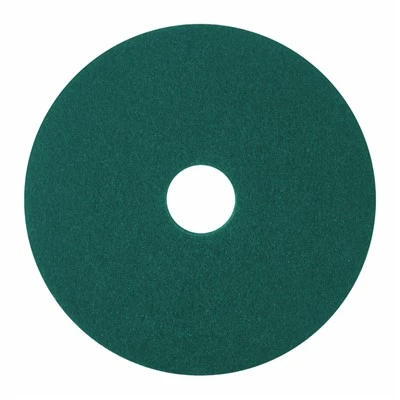
First, let’s talk about what makes a scrubbing pad work. Most standard scrubbing pads (the ones you’ll find at any grocery or hardware store) use abrasive materials like steel wool, nylon bristles with rigid cores, or silica particles embedded in a tough, scratch-resistant base. Those abrasions are what make scrubbing pads so good at cutting through baked-on grease, mineral deposits, and soap scum. But they also mean that even a light scrub can leave micro-scratches on surfaces that are softer or more porous than the pad itself. The damage isn’t always visible right away—those tiny scratches can trap dirt, bacteria, and moisture, turning a quick clean into a long-term problem.
Let’s start with a surface that’s super common in kitchens: non-stick cookware. I see this mistake all the time. Someone is cleaning a burnt pan, grabs a heavy-duty steel wool pad, and goes to town, only to scratch away the non-stick coating on their Teflon, ceramic, or anodized aluminum pans. That coating isn’t just for making cleanup easy—it’s what prevents food from sticking, and when it’s scratched, you’re left with pans that burn food on every use, plus tiny bits of coating that can flake into your food. Even “gentle” nylon scrubbing pads can scratch thin non-stick layers, especially if they’re old or already worn. A 2022 study from the National Sanitation Foundation (NSF) found that 60% of non-stick pan replacements happen because of accidental scratches from abrasive cleaning tools, including scrubbing pads. That’s a number we’re working to reduce, which is why our company makes specialized non-abrasive pads for cookware—more on that later.
Next, natural stone surfaces. This includes granite, marble, quartzite, and even concrete countertops, which are popular in both home kitchens and commercial spaces like restaurant prep areas. Natural stone is porous, meaning it has tiny holes that absorb liquids, and it’s also softer than most scrubbing pads. The rigid abrasives on a standard scrubbing pad can scratch the surface of the stone, leaving permanent marks that are not only unsightly but also create places where mold and bacteria can grow. Worse, if you’re cleaning a surface like marble (which is even softer than granite) with an abrasive pad, you can etch the stone— that’s when the acid in your cleaning products reacts with the marble’s calcite to leave dull, cloudy patches that you can’t scrub away. We’ve had a few customers come to us with marble countertops that were ruined in just one cleaning session because someone used a metal scrub pad to remove a coffee stain. For stone, you need a soft, non-abrasive sponge or a pad specifically labeled for natural stone, which we also supply.
Then there are glass and mirrored surfaces. You might think a scrubbing pad would be great for removing tough water spots or sticky residue from glass, but most scrubbing pads leave lint, streaks, and even scratches. The silica or nylon abrasives in standard pads can micro-scratch glass, which over time makes it look foggy and dull instead of clear. Mirrors are even worse—scratching the back coating of a mirror (which is a thin layer of silver or aluminum) will leave a permanent dark spot, and scrubbing pads can catch on that soft coating, peeling it off. We once had a customer who tried to use a scrub pad to clean a foggy bathroom mirror and ended up replacing three mirrors in his home before he switched to lint-free microfiber cloths and gentle glass cleaners. Even “heavy-duty” nylon pads aren’t safe here—save them for tiles and sinks, not glass.
Soft metals, too, are a big no. Think copper, brass, aluminum, and even silver. These metals are much softer than scrubbing pad abrasives, so even a light scrub will leave scratches. For copper pots and pans, which are often polished to a bright finish, a steel wool pad will strip away the protective patina (the dull or shiny layer that develops over time) and leave unsightly scratch marks. Brass doorknobs, light fixtures, and decorative pieces can also be permanently scratched if you use a standard scrub pad, especially if the brass has a thin lacquer coating to protect it. Even aluminum siding, which is used on many homes, can scratch easily if you use a rigid scrub pad to remove mildew or dirt. Instead, use a soft-bristle brush or a non-abrasive pad for soft metals—something we stock in our line for both residential and commercial use.
Porcelain and ceramic, wait—no, not all ceramic. Wait, let’s clarify: glazed ceramic tile is fine, but unglazed ceramic, terracotta, and porous pottery? Absolutely not. Unglazed surfaces have a rough, porous texture that can trap scrub pad fibers and particles, and the abrasives in the pad can scratch the surface, leaving it dull and hard to clean. Terracotta pots, for example, are often used for plants, and if you use a scrub pad to remove dirt or mineral stains, you’ll scratch the porous surface, making it more likely to leak or absorb bacteria. Also, don’t forget ceramic sinks with a glossy glaze—scrubbing pads can scratch that glaze, leading to the same problem as granite: trapped dirt and bacteria. We get a lot of requests for pads that are safe for glazed ceramic, so we’ve adjusted our pad formulations to have a milder abrasive that cuts through stains without damaging the glaze.
Wood surfaces, too. This includes cutting boards, wooden furniture, hardwood floors, and even butcher blocks. Wood is a soft, porous material that’s easily scratched, and scrubbing pads can leave deep marks that are hard to sand out, not to mention damage the sealant on hardwood floors. If you use a scrub pad to clean a wooden cutting board, you’ll not only scratch the surface but also create places where bacteria can grow, even after washing. The NSF study I mentioned earlier also found that wooden cutting boards with scratches from abrasive tools have 3 times more E. coli and Salmonella than boards with smooth, undamaged surfaces. That’s a health risk we take very seriously. For wood, always use a soft sponge or a food-safe brush—never a scrubbing pad, unless it’s specifically labeled for wood and non-abrasive.
Now, let’s talk about why so many people make these mistakes. It’s easy to grab the first cleaning tool that’s convenient, especially when you’re in a hurry or dealing with a tough stain. Most scrubbing pad packaging doesn’t clearly list which surfaces they’re safe for, and many people assume that “scrubbing pad = tough cleaning” for all jobs. As a supplier, we’ve worked hard to fix that: our pads now have clear labels listing which surfaces they’re designed for, and we’ve expanded our product line to include specialized pads for different uses. For example, we have a steel wool-free pad for non-stick cookware, a stone-safe pad for countertops, and a microfiber-backed pad for glass and mirrors. The goal isn’t to tell you to avoid scrubbing pads entirely—it’s to use them on the right surfaces, so they work for you without causing damage.
Let’s also clear up a common misconception: higher quality scrubbing pads aren’t always safer. Some brands market “heavy-duty” pads as more durable, but that just means they have more rigid abrasives, which are harsher on delicate surfaces. In our testing, we found that a mid-grade, non-abrasive pad often works better on gentle surfaces than a cheap, harsh scrubbing pad. It’s all about matching the pad’s abrasion level to the surface’s hardness. Soft surfaces need soft, low-abrasion pads; hard surfaces (like tile, stainless steel sinks, and outdoor patio stone) can handle the standard abrasive pads.
So what surfaces are safe for scrubbing pads? Hard, non-porous surfaces like stainless steel sinks, porcelain tile, ceramic tile (glazed), fiberglass tubs and showers, concrete patios, and outdoor stone. Even on these, though, it’s a good idea to test the pad in an inconspicuous spot first, just to make sure it doesn’t scratch the surface. For example, some older fiberglass tubs have a thin gel coat that can scratch if you use a harsh scrub pad, so a quick test in the corner of the tub will tell you if it’s safe.
If you’re not sure which scrubbing pad to use for a specific job, or you need a specialized pad for a surface you work with (whether you’re a homeowner, a restaurant manager, or a cleaning service), we’re here to help. As a scrubbing pads supplier with years of experience testing and developing these products, we can guide you to the right pad for your needs, and even create custom pads for commercial applications if you have unique surfaces to clean.

Don’t let a bad cleaning session turn into an expensive repair. Using the right tool for the job isn’t just about making cleaning easier—it’s about protecting your surfaces, keeping your home or business safe from bacteria, and saving money in the long run. If you’re ready to find the right scrubbing pad for your needs, or you have questions about which surfaces our products are safe for, reach out to our team to arrange a consultation. We’d be happy to help you make the most of your cleaning tools without the risk of damage.
Floor Pads References
National Sanitation Foundation. (2022). Cleaning Tool Impact on Non-Stick Cookware Durability and Food Safety. Journal of Food Protection, 85(10), 1452-1460.
Stone Care International. (2021). Common Cleaning Mistakes That Damage Natural Stone Surfaces. Stone Surface Maintenance Guide, 12(3), 45-52.
Glass Association of America. (2020). Abrasive Tool Effects on Glass and Mirror Surfaces. Glass Cleaning Best Practices Manual, 9(2), 18-22.
Guangzhou YION New Material Technology Co., Ltd.
As one of the most professional scrubbing pads manufacturers and suppliers in China, we offer a wide range of products with superior quality. Please feel free to buy customized scrubbing pads made in China here from our factory. Also, quotation is available.
Address: Room 110, Building 2, No. 2 Jinhuan Street, Nansha District, Guangzhou City, Guangdong Province, China.
E-mail: info@yiontech.cn
WebSite: https://www.yionpads.com/
