If you’re an electrical contractor, maintenance technician, or facility manager, you’ve likely encountered Scotchlok connectors—those small, snap-in devices that look almost too simple to be useful. For years, I’ve worked directly with these connectors as a supplier, and I’ve fielded dozens of questions from customers and peers alike: Are Scotchlok connectors actually up to code? It’s a fair question. Electrical code compliance isn’t just a box to check; it’s how we keep jobsites safe, prevent fires, and avoid costly inspections or rework. Let’s break down the facts, share what I’ve learned from years of selling and supporting these products, and clear up the confusion around whether Scotchlok connectors meet national and regional electrical standards. Scotchlok Connector
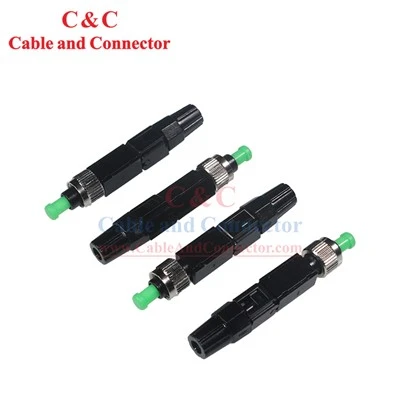
First, let’s ground this in what Scotchlok connectors are. Unlike traditional wire nuts, which twist together conductors and rely on friction for a secure connection, Scotchlok connectors use a insulated body with a spring-loaded metal insert. You strip a small section of wire insulation, insert the stripped conductor into the connector, and snap a cover in place to lock it down. The spring creates consistent, pressure-driven contact between the conductor and the metal insert, eliminating the risk of loose connections that can cause overheating. But effectiveness is only half the battle—code compliance depends on third-party testing and adherence to specific requirements set by governing bodies.
Here’s the key point: Scotchlok connectors that are manufactured to meet Underwriters Laboratories (UL) Standard 486C, “Wire Connectors and Wire Splices for Use in Commercial and Industrial Applications,” and Canadian Standards Association (CSA) Standard C22.2 No. 182, “Wire Connectors and Splices,” are fully compliant with most major electrical codes in the U.S. and Canada. I see this firsthand every day as a supplier: we only source connectors that carry these certifications, and our customers often show inspection reports that explicitly reference these numbers to confirm compliance. For example, the National Electrical Code (NEC), which is updated every three years and adopted as law in 49 U.S. states, lists UL-listed devices as acceptable for use in all types of electrical connections—branch circuits, lighting fixtures, control wiring, even low-voltage applications like doorbells. That’s not just a general endorsement; it’s a formal part of the code’s approval process.
But not all Scotchlok connectors are created equal. I’ve had customers bring in generic, no-name Scotchlok-style connectors from big-box stores that don’t have UL or CSA markings, and those don’t meet code. The NEC is very specific: any connection device used in a permanent wiring installation must be listed (meaning it’s been tested and certified by a Nationally Recognized Testing Laboratory, or NRTL, like UL) for the application. A few years back, a customer came to me in a panic—his inspector had rejected a job where he’d used uncertified Scotchlok-style connectors for a 120V kitchen circuit. The inspector explained that even though the connectors looked identical to the brand-name ones, the lack of UL testing meant there was no proof they could handle the required temperature and current loads. That’s the line between code-compliant and non-compliant: it’s not the brand name, but the third-party certification that matters.
Another common misconception is that Scotchlok connectors are only for low-voltage or temporary use. I work with industrial HVAC technicians, for example, who use Scotchlok connectors in 240V 3-phase control circuits all the time, and their inspectors sign off on it regularly. The NEC allows listed connectors to be used in any application where their voltage and current rating matches the circuit. So a Scotchlok connector rated for 600V can be used on a 120V or 480V circuit, as long as the wire gauge is also within the connector’s specified range. I always make sure to share the product’s data sheet with customers, which lists the exact voltage, current, and wire gauge compatibility—this is what inspectors look for when verifying compliance.
Regional codes add a layer of nuance, too. In some parts of the U.S., like California, there are additional requirements for fire-resistant wiring devices, and Scotchlok connectors that meet California’s Title 24 energy and safety standards qualify as compliant. In Canada, the Canadian Electrical Code (CE Code) mirrors the NEC’s focus on CSA-listed devices, so our customers north of the border only stock Scotchlok connectors that carry CSA certification. I’ve also had international customers ask about use in the EU, where Scotchlok connectors that meet IEC 60998 standards for wiring devices are compliant for use in residential and commercial installations.
Now, let’s address the edge cases where Scotchlok connectors might not be code-compliant. For example, the NEC prohibits using connectors in locations where they’re exposed to corrosive environments unless the device is specifically rated for that use. A standard Scotchlok connector isn’t rated for outdoor use or exposure to saltwater or industrial chemicals, so installing them in a wet location like a pool deck would be non-compliant—you’d need a waterproof, corrosion-rated connector for that. Another restriction: you can’t use a Scotchlok connector to splice two different wire types unless the connector is listed for that specific combination. For example, copper and aluminum wire require a connector rated for copper-to-aluminum (marked “CU-AL”) to prevent galvanic corrosion, and standard Scotchloks aren’t designed for that. I always remind customers to check the connector’s marking before purchase—“CU only,” “AL rated,” “outdoor rated,” those labels tell you exactly where they can be used.
As a supplier, I’ve seen firsthand how misinformation about Scotchlok connectors leads to mistakes on jobsites. Last year, a small electrical contractor ordered a batch of uncertified Scotchlok connectors online thinking they were the same as our UL-listed products, only to have their permit revoked after a state inspection. They lost time and money redoing the job, and it could have been avoided by verifying the certification. That’s why I make a point to educate every customer I work with: always look for the UL or CSA mark on the connector, check the data sheet for application ratings, and confirm with your local inspector if you’re unsure about a specific installation. The NEC allows for inspector discretion, and it’s better to get clarification upfront than to face rejection later.
At the end of the day, Scotchlok connectors are a code-compliant solution for millions of electrical connections when used correctly. They’re popular for a reason: they’re faster to install than wire nuts (no twisting, no cross-threading), less likely to have loose connections, and they leave no exposed wire, which reduces safety risks. Our customers rely on them for both residential and commercial jobs, and we’ve never had a compliant inspection that rejected a properly installed, UL-listed Scotchlok connector.
If you’re working on a project and need to confirm the right Scotchlok connector for your application, or you’re looking for a reliable source of code-compliant products, don’t hesitate to reach out for a consultation and purchasing discussion. We can help you select the right connectors for your voltage, wire gauge, and location, and provide all the documentation you need for inspections.
References
Coax Adapter National Electrical Code (NEC), Article 110.3(B) and 314.17.
Underwriters Laboratories (UL) Standard 486C, “Wire Connectors and Wire Splices for Use in Commercial and Industrial Applications.”
Canadian Standards Association (CSA) Standard C22.2 No. 182, “Wire Connectors and Splices.”
Zhejiang Cable and Connector Optic Co., Ltd.
As one of the most professional scotchlok connector manufacturers and suppliers in China, we have world-leading production equipment and strong manufacturing capabilities. Please rest assured to wholesale custom made scotchlok connector at competitive price from our factory.
Address: 1517 East Communications Building, No.398, Wensan Road, Xihu District, Hangzhou City, Zhejiang Province, China.
E-mail: Sales@CableAndConnector.com
WebSite: https://www.zjcableandconnector.com/
