If you work in a warehouse, distribution center, or any space that relies on material movement, you know an electric pallet truck (EPT) is more than just a piece of equipment—it’s the backbone of daily operations. As someone who’s spent 12 years supplying EPTs to businesses across North America, I’ve seen a lot: tight turns, overloaded pallets, and, most importantly, what happens when a truck isn’t parked correctly. I’ve walked warehouses where a poorly parked EPT caused a three-aisle traffic jam that delayed order picking by two hours, and I’ve seen near-misses where a runaway truck almost took out a stack of 500lb pallets. That’s why proper parking isn’t just a routine task—it’s a safety non-negotiable. Today, I’m breaking down how to safely park an electric pallet truck, based on real on-the-job experiences, hands-on supplier insights, and industry best practices. Electric Pallet Truck
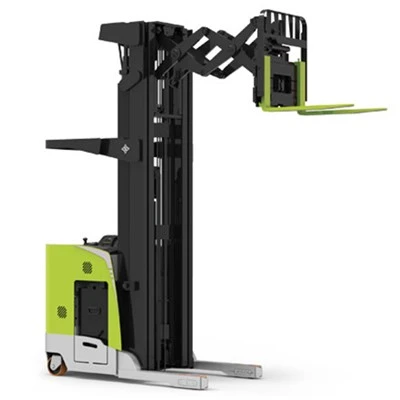
First, let’s start with the basics: why parking an EPT wrong is such a big deal. Unlike manual pallet jacks, electric models have integrated batteries, motors, and control systems that, if mishandled, can turn a stationary piece of equipment into a hazard. The most common mistakes I see? Parked on inclines, with forks raised, or blocked in aisles where foot traffic or forklifts can’t maneuver around them. I remember a customer in Ohio last year who parked their EPT on a 2-degree incline next to a dock door. The parking brake wasn’t fully engaged, and overnight, the truck rolled into a stack of cardboard boxes, damaging three pallets and scratching the dock surface. It cost them $1,200 in repairs and delayed a next-day shipment—all because of a 10-second parking error. So before we get to the step-by-step, let’s align on one core rule: safety starts the second you stop the truck, not when you’re done using it.
Let’s walk through the actual process, step by step, with notes from our service team that fixes dozens of EPTs every month. First, you need to choose the right parking spot. This isn’t just “any empty space.” Your spot should be flat, level, and clear of obstacles—no pallets, no equipment, no fire extinguishers, and definitely not in a main traffic aisle. I recommend designating a specific EPT parking zone in your warehouse, ideally near the charging station (that cuts down on how far you have to wheel the truck when it’s time to recharge) and away from loading docks, pedestrian walkways, and high-traffic forklift routes. Why? Forklift operators are focused on heavy loads, and they might not see a small EPT tucked in the corner. Last quarter, we supplied a new EPT to a grocery distributor that used to park their EPTs in the main order-picking aisle. After one collision damaged a new unit, we worked with their operations team to mark a dedicated zone, and they’ve not had a single parking-related incident since. That’s the kind of small change that makes a huge difference.
Once you’ve picked the right spot, the next step is to properly slow and stop the truck. This seems obvious, but it’s where a lot of new operators slip up. Electric pallet trucks have an electronic braking system, unlike manual jacks where you just stop pushing. To slow down, you should ease off the throttle gradually—jamming on the brake or slamming the throttle to reverse suddenly can not only wear out the brake pads faster (costing you money in maintenance, which I know operators hate) but also cause the truck to lurch, especially if the forks are loaded. When you’re 2-3 feet from your chosen parking spot, come to a complete stop by releasing the throttle and allowing the truck’s built-in brake to engage. Never stop abruptly, especially with a loaded pallet; the load can shift, throwing off the truck’s balance and increasing the risk of a tip. I always tell new operators I train: “The best brake is the one you use early, not the one you need last minute.”
Now, the most critical step: setting the parking brake. This is where I see 60% of EPT parking errors happen, according to our service data. A lot of operators either don’t engage the parking brake fully, or they skip it entirely because they’re in a hurry. Every EPT we supply has a parking brake lever, usually located on the handle of the truck. Before you engage it, double-check that the truck is fully stationary—no rolling, even a tiny bit. Then, lift the lever until it clicks into place. Most modern EPTs have an indicator light on the control panel that will turn green when the brake is properly engaged; if you don’t see that light, the brake isn’t set. Why is this so important? Even a slight incline, like the 1-degree ramp at most warehouse dock doors, is enough to make a parked EPT roll if the brake isn’t set. I’ve had customers call us at 7 a.m. because their overnight parking brake engaged incorrectly, and now their EPT is wedged between two pallets, making it impossible to move first thing in the morning. Don’t skip this step—take an extra 2 seconds to confirm the brake is set.
Next, adjust the forks. This is another detail that’s easy to overlook, but it’s a safety hazard and can even damage the truck’s forks over time. When parking an EPT, you should lower the forks all the way to the ground. Why? Raised forks act like a lever; if the truck is hit or starts to roll, the forks can catch on floor obstacles, walls, or other equipment, tipping the truck over. I once saw a small EPT with forks raised 18 inches park in a narrow aisle. A forklift driver turning the corner didn’t see the forks, and the forklift’s mast caught the end of the EPT’s forks, flipping the small truck onto its side. The operator wasn’t hurt, but the EPT’s frame was bent, costing $3,000 in repairs and taking the unit out of service for two weeks. Lowering the forks also reduces the truck’s center of gravity, making it more stable even if something does bump into it. If you have a loaded pallet on the forks when you’re done, never leave it elevated while parking—lower it carefully to the ground, making sure the pallet is stable and not blocking the spot.
Once the forks are down, the next step is to turn off the truck properly. Many operators just walk away once the brake is set, but modern EPTs have specific shut-off procedures that prevent battery drain and electrical issues. First, make sure the truck is in neutral. On most models, you’ll have a button on the handle to switch to neutral—this prevents the truck from accidentally moving if someone bumps the throttle later. Then, turn the key to the “off” position, and remove the key. Leaving the key in the truck is a safety risk for two reasons: unauthorized use (especially if kids or untrained staff are in the warehouse) and battery drain from leaving the control panel active overnight. I’ve had customers tell me they lost 15% of their battery charge in one night because the key was left in the “on” position—add that up over a month, and you’re making an extra trip to charge the truck every day, which slows down operations. Taking 5 seconds to remove the key is a small habit that pays off in efficiency and safety.
If your EPT is low on charge, this is the perfect time to plug it in. Wait, but there’s a right way to charge it, too. Never park a low-charge EPT far from the charging station just because there’s a spot open—most battery-powered EPTs are designed to be charged regularly, and parking them within reach of the charger ensures the battery stays in good condition. When you plug in the charger, make sure the connection is tight and free of dust or debris—loose connections can cause electrical fires or damage the battery. Our battery specialists recommend charging the EPT when the battery is at 20-30% capacity, not waiting until it’s completely dead; deep discharges shorten the battery’s lifespan by up to 50%. So if you’re parking a truck that’s low on power, take the extra minute to wheel it to the charging station before parking, not after.
Now, let’s cover some common scenarios and specific rules, because not all warehouse layouts are the same. For example, what if you need to park your EPT in a temporary spot, not the designated zone? Even a temporary spot needs to be flat, clear, and not blocking emergency exits. Never park an EPT in a fire lane—local occupational safety regulations require emergency access to be unobstructed, and parking a truck there can result in fines and delayed emergency response. I also get a lot of questions about parking in cold weather. If you’re working in a warehouse that’s kept cool in the winter, make sure the EPT’s parking brake isn’t iced up. If it is, don’t force it—wait 5 minutes for it to thaw, or use a small tool to gently clear the ice. Forcing the brake can damage the mechanism, leading to a runaway truck when you come back to use it.
Another key point: training. As a supplier, we don’t just sell EPTs—we provide training for every operator that uses our equipment, because even the best parking instructions don’t help if someone hasn’t been trained on the model of EPT they’re using. I’ve seen an operator with 10 years of experience on manual jacks make a mistake on an electric model because they didn’t know how the electronic brake works. That’s why we run monthly training sessions for our customers, covering everything from basic operation to safe parking. If you’re a warehouse manager and you haven’t trained your team on proper EPT parking, that’s the first place to start. A well-trained operator is the best safety tool you can have.
Now, let’s talk about what to do when you come back to the truck. This is often overlooked, but it’s part of the safe parking process too. Before you start using the EPT again, do a quick pre-use check: make sure the parking brake is released, the forks are at the right height, the battery charge is sufficient, and there’s no damage to the truck. I always recommend doing this even if you parked the truck correctly—accidents can happen overnight, and a quick check can prevent a problem mid-shift. Last month, an operator at a distribution center came back to their EPT and noticed the parking brake was still engaged. If they had tried to drive away, they would have damaged the brake pads, but because they checked first, they released the brake easily and got back to work. That 10-second check saved them $800 in repairs and a delay in loading a truck.
Let’s wrap this up with a quick recap, because it’s easy to forget steps when you’re in the middle of a busy shift. The six steps to safely park an electric pallet truck are: 1. Choose a flat, clear, designated parking zone away from high traffic and obstacles. 2. Slow and stop gradually to avoid load shift or brake damage. 3. Engage the parking brake fully, and confirm it’s set. 4. Lower the forks all the way to the ground to reduce the center of gravity. 5. Switch to neutral, turn off the truck, and remove the key. 6. If the battery is low, plug it in at the charging station before leaving.
As a supplier, our goal isn’t just to sell you an EPT—it’s to help you use it safely and efficiently. We’ve spent years refining our EPT design to make parking easier, with intuitive brake systems, clear indicator lights, and durable fork construction, but even the best equipment depends on proper use. Every parking mistake doesn’t just cause a delay or repair cost—it puts your team at risk. I’ve talked to too many operators who’ve had near-misses because someone skipped a step in parking, and that’s why I’m passionate about sharing these tips.

If you’re looking to upgrade your warehouse’s EPT fleet or need more information on safe operation, we’re here to help. We work with warehouses of all sizes, from small local distribution centers to large national retailers, to provide tailored EPT solutions and training. Whether you need a new EPT, maintenance services, or safety guidance for your team, we can connect you with the resources you need to keep your operation running smoothly and safely. Reach out to our team to learn more and start a conversation about your specific needs.
Lift Table References:
- Occupational Safety and Health Administration (OSHA). 2022. Powered Industrial Trucks: Safety Standards for Warehouses and Distribution Centers. U.S. Department of Labor.
- Industrial Truck Association (ITA). 2023. Best Practices for Electric Pallet Truck Operation and Parking. National Safety Council.
- Electric Equipment Manufacturers Association (EEMA). 2022. Battery Maintenance Guidelines for Electric Material Handling Equipment. EEMA Technical Bulletin 412.
- Material Handling Industry (MHI). 2023. Warehouse Safety Benchmark Report: Preventing Equipment-Related Incidents. MHI Research Foundation.
Hangzhou Carry Equipment Co., Ltd.
Hangzhou Carry Equipment Co., Ltd. is one of the most professional electric pallet truck manufacturers and suppliers in China, also supports customized service. Please feel free to buy advanced electric pallet truck for sale here and get quotation from our factory. For price consultation, contact us.
Address: No.360 Tongxiang Rd., Yinzhou Economic Development Zone, Yinzhou Dist., Ningbo, China
E-mail: Sales@carryupmhe.com
WebSite: https://www.carrymhe.com/
