If you work in industries like manufacturing, construction, or material handling, a hydraulic system that fails to build pressure can bring operations to a grinding halt—costing you time, revenue, and even safety risks. As a hydraulic system supplier with over 12 years of on-site support experience, I’ve seen this issue happen to everything from compact lift gates on delivery trucks to 500-ton press machines in automotive plants. Pressure loss isn’t just a minor inconvenience; it’s a symptom of something broken, and identifying the root cause quickly is key to getting your system back online. Let’s break down the most common reasons your hydraulic system isn’t building pressure, step by step, so you can troubleshoot like a pro. Hydraulic System
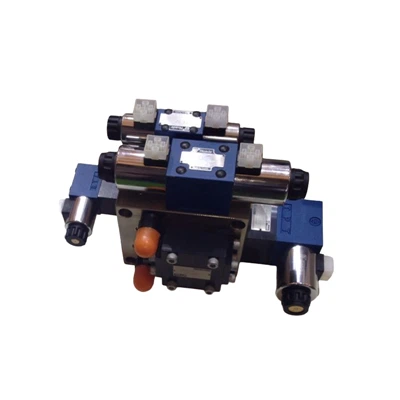
First, let’s start with the basics you should check before diving into internal components: hydraulic fluid. This might seem obvious, but 30% of the service calls my team handles for pressure issues trace back to fluid-related problems. If your fluid level is too low, the hydraulic pump will start pulling in air instead of liquid—a condition called cavitation. Air bubbles in the fluid compress instead of transmitting force, so even if your pump runs, you’ll never get the consistent pressure you need. How do you spot this? Check the fluid reservoir dipstick while the system is off and level; if it’s below the minimum mark, top it off immediately with the manufacturer-specified fluid (using the wrong viscosity can cause issues too—thick fluid in cold temperatures won’t flow properly, while thin fluid will leak through small gaps).
Another fluid-related culprit: contaminated fluid. Dirt, metal shavings, or water in the system can clog filters, damage seals, and prevent valves from sealing correctly. If the fluid looks cloudy (a sign of water contamination) or has visible debris, it’s time for a full fluid flush and filter change. I once worked with a packaging plant that thought their 50-ton baler’s pressure issue was a broken pump, until we drained the reservoir and found metal shavings from a faulty cylinder seal mixed in with old fluid. Flushing the system and installing a new high-efficiency fixed mesh filter fixed the pressure problem in 24 hours, saving them from a $10,000 pump replacement.
Once you’ve ruled out fluid issues, the next most common cause is a bad hydraulic pump. The pump is the heart of your system—it’s what creates the flow and pressure by moving fluid from the reservoir to the rest of the system. Over time, pump components like the gear set, vanes, or pistons wear out from friction or contamination. Worn gears in a gear pump, for example, will have too much clearance between them, so fluid leaks back into the inlet side instead of being pushed out to the high-pressure lines. You’ll notice this if the pump makes a loud, whining noise (a sign of cavitation or worn components) or if pressure is inconsistent—sometimes it builds, sometimes it drops unexpectedly.
Pump issues can also come from incorrect installation. If the pump’s suction line has a leak or is too small, it can’t pull enough fluid to generate pressure. I’ve seen installers use ½-inch hose for a pump that needs ¾-inch suction, causing a vacuum leak that pulls in air and kills pressure. Always follow the manufacturer’s guidelines for hose size and make sure all suction connections are tight and free of damage.
Next, pressure control components like relief valves are often the cause of pressure buildup failures. The relief valve is designed to prevent the system from exceeding its maximum pressure rating by diverting excess fluid back to the reservoir. If the relief valve is stuck open (from contamination or a worn spring), it will dump fluid before it can build up in the system. How do you test this? Disconnect the relief valve’s pressure line and run the system—if pressure jumps but drops immediately when you reconnect it, the valve is likely stuck open. Adjusting or replacing the relief valve (after cleaning it thoroughly to remove debris) is usually the fix.
Another valve-related issue is a stuck directional control valve. This valve directs fluid to the correct cylinder or motor, and if it’s stuck in a partially open position, fluid can leak back to the low-pressure side instead of going to the working component. For example, if your forklift’s mast won’t lift, the directional valve for the lift circuit might be stuck open, so pressure never reaches the cylinder. Cleaning the valve spool and replacing worn valve seals can resolve this.
Cylinder and seal issues are less obvious but just as common. Hydraulic cylinders rely on tight seals to contain pressure inside the cylinder barrel. If a seal is worn, cracked, or improperly installed, fluid will leak past the piston—this is called internal leakage, and it directly reduces system pressure. External leaks (from a cracked cylinder barrel or damaged hose fitting) also cause pressure loss, though these are often easier to spot with visual inspection.
I recently worked with a construction company that couldn’t get their excavator’s bucket arm to exert enough force to move heavy rock. We inspected all external hoses and fittings and found no leaks, so we tested internal pressure by connecting a pressure gauge directly to the cylinder. The gauge showed only 100 PSI when it should have been 3,000 PSI—confirming internal seal leakage. Replacing the cylinder’s piston seals fixed the pressure issue, and the excavator was back on the job by the end of the day.
Don’t overlook your pressure gauges, either. Sometimes a “pressure issue” is just a faulty gauge giving a false reading. If your gauge is stuck at zero or fluctuates wildly, test it with a portable pressure gauge to confirm if the system is actually building pressure. I’ve had customers order new pumps and relief valves, only to find out their gauge was just broken—this is a simple, low-cost check that can save you a lot of time and money.
Now, let’s talk about less common but still impactful causes: blocked lines or filters. A clogged return line or suction filter can restrict flow, so even if the pump is working, fluid can’t move through the system to build pressure. A dirty suction filter (located in the reservoir, usually near the pump inlet) is particularly common—if it’s caked with dirt, the pump can’t pull enough fluid, leading to cavitation and pressure loss. Replacing the filter and cleaning the return line with compressed air or a flush kit is a quick fix for this issue.
Another hidden culprit: electrical or control system faults. If your system is controlled by a PLC or electronic solenoid, a faulty solenoid, loose wire, or misprogrammed control setting can prevent the valve or pump from engaging properly. For example, a solenoid that’s not receiving enough voltage won’t switch the directional valve into the working position, so fluid never reaches the cylinder. My team always checks electrical connections first on electric-controlled systems, because a $5 wire crimp is often the root cause of a $1,000 pressure issue.
So, what should you do if you’ve gone through all these checks and still can’t find the problem? As a hydraulic system supplier, I always recommend working with a certified hydraulic technician who has experience with your specific equipment. Trying to disassemble a pump or cylinder without proper training can lead to further damage, like cross-threaded ports or damaged seal surfaces. A good technician will use diagnostic tools like a flow meter, pressure gauge kit, and ultrasonic leak detector to pinpoint the issue quickly.
Preventing pressure issues in the first place is easier than fixing them. Regular maintenance—every 500 to 1,000 operating hours—includes changing hydraulic fluid and filters, inspecting seals and hoses for wear, testing relief valve pressure, and checking fluid levels. Many of the pressure issues we see are avoidable with consistent maintenance, which also extends the life of your hydraulic system by 20% on average, according to our in-house data.

If you’re currently dealing with a hydraulic system that won’t build pressure, don’t let downtime derail your operations. Our team has decades of experience troubleshooting all types of hydraulic systems, from small light-duty setups to large industrial presses. We can provide on-site diagnostics, genuine replacement parts, and expert guidance to get your system back to peak performance. To learn more about our support services or to discuss your hydraulic system needs, connect with our procurement team today.
Industrial Hydraulic Systems References
Hydraulic Fluid Power: Principles and Maintenance, 2nd Edition. Industrial Press Inc., 2021.
ISO 4406: Hydraulic Fluid Power – Fluids – Method for Coding the Level of Contamination, International Organization for Standardization, 1999.
Common Hydraulic System Faults and Troubleshooting Guide. National Fluid Power Association, 2022.
Wuhu Zhongye Fluid Equipment Co., Ltd.
We are one of the most experienced hydraulic system manufacturers and suppliers in China, specialized in providing high quality customized products. Please feel free to wholesale bulk durable hydraulic system in stock here from our factory. Contact us for quotation.
Address: No.2, Hexing Road, Sanshan District, Wuhu City, Anhui Province
E-mail: zhongyehydro20@163.com
WebSite: https://www.zhongyehydro.com/
