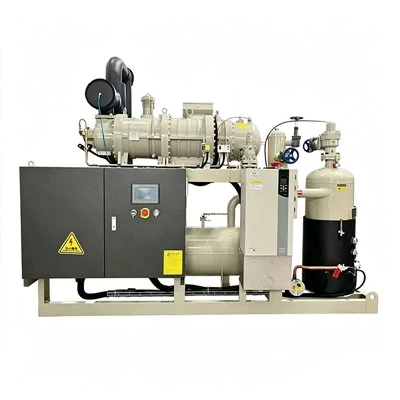
Air-cooled condensing units are essential components in many cooling systems, widely used in commercial, industrial, and residential settings. As a reliable supplier of air-cooled condensing units, I understand the importance of ensuring their safe operation. Here are some key safety precautions to consider when dealing with these units. Air-Cooled Condensing Unit
1. Installation Safety
Site Selection
One of the primary concerns during installation is the choice of site. The unit should be installed in a well-ventilated area. Adequate ventilation is crucial because air-cooled condensing units rely on air circulation to dissipate heat. A poorly ventilated area can cause the unit to overheat, leading to reduced efficiency and potential damage to the components. For example, if the unit is placed in a corner with limited air movement or near a wall that restricts airflow, the heat generated during operation cannot be effectively removed.
The site should also be level. An uneven surface can cause stress on the unit’s structure and components. This stress can lead to premature wear and tear, and in severe cases, it may cause the unit to malfunction. When installing the unit, it is recommended to use a level to ensure that the base is perfectly horizontal.
Moreover, the installation site should be away from sources of flammable materials and direct sources of heat. Flammable materials pose a significant fire hazard if there is a leak or a spark from the unit. Direct heat sources, such as furnaces or sunlight exposure, can increase the ambient temperature around the unit, making it more difficult for the unit to operate efficiently.
Electrical Installation
Proper electrical installation is non – negotiable. A qualified electrician should always be involved in this process. The electrical connections must be made according to the local electrical codes and the manufacturer’s instructions. Incorrect wiring can lead to short circuits, electrical shocks, or even fires.
The unit should be connected to a dedicated circuit with the appropriate voltage and amperage rating. Overloading a circuit by connecting the unit to a circuit that is already powering other high – wattage devices can cause the circuit breaker to trip frequently or, worse, damage the electrical components of the unit.
It is also important to ensure that all electrical enclosures are properly sealed to prevent moisture and dust from entering. Moisture and dust can cause corrosion and short circuits, reducing the lifespan of the electrical components and posing a safety risk.
2. Operational Safety
Regular Maintenance Checks
Regular maintenance is the key to the safe and efficient operation of an air – cooled condensing unit. As a supplier, I always recommend that our customers establish a maintenance schedule. One of the basic maintenance tasks is to clean the condenser coils regularly. Over time, dirt, dust, and debris can accumulate on the coils, reducing their ability to transfer heat. This can cause the unit to work harder, consuming more energy and potentially leading to overheating.
The fan motors and blades should also be inspected regularly. Loose or damaged fan blades can cause vibrations, which can damage other components of the unit. Faulty fan motors can lead to poor air circulation, affecting the cooling performance of the unit. During the inspection, check for any signs of wear, such as cracks or frayed wires, and replace any damaged parts immediately.
Lubrication of moving parts, such as bearings, is another important maintenance task. Proper lubrication reduces friction and wear, ensuring smooth operation and extending the lifespan of the components.
Safety Controls
Air – cooled condensing units are equipped with various safety controls. These controls are designed to protect the unit and the users from potential hazards. Temperature sensors, for example, monitor the temperature of the refrigerant and the surrounding air. If the temperature exceeds a certain limit, the control system will shut down the unit to prevent overheating.
Pressure sensors are also crucial. They monitor the pressure of the refrigerant in the system. High or low pressure can indicate a problem with the compressor or other components. If abnormal pressure is detected, the safety control will take appropriate action, such as shutting down the unit or activating an alarm.
It is essential to regularly test these safety controls to ensure they are functioning properly. A malfunctioning safety control can lead to serious problems, such as equipment damage or even injury to the users.
User Training
If you are operating an air – cooled condensing unit, proper training is necessary. As a supplier, we offer training programs to our customers on how to operate and maintain the units safely. This training covers topics such as how to start and stop the unit, how to read the control panel, and what to do in case of an emergency.
Employees who are responsible for the operation of the unit should be aware of the potential safety hazards and know how to prevent them. They should also be trained on how to perform basic maintenance tasks, such as cleaning the coils and checking the fan blades.
3. Emergency Safety
Leak Detection and Response
Refrigerant leaks are a common problem in air – cooled condensing units. Refrigerants can be harmful to the environment and human health. Some refrigerants are also flammable or toxic. Therefore, it is important to have a leak detection system in place.
Regularly check for signs of refrigerant leaks, such as hissing sounds, oil stains around the connections, or a decrease in cooling performance. If a leak is detected, the unit should be shut down immediately to prevent further leakage.
It is also important to have a proper response plan in case of a refrigerant leak. This plan should include procedures for evacuating the area, notifying the relevant authorities, and repairing the leak.
Fire Safety
Although air – cooled condensing units are not typically considered high – fire – risk equipment, there is still a potential for fire. Electrical malfunctions, overheating, or the presence of flammable materials near the unit can all cause a fire.
Install fire – detection devices, such as smoke detectors and heat sensors, near the unit. These devices can detect the early signs of a fire and trigger an alarm. It is also important to have fire – extinguishing equipment, such as fire extinguishers, readily available in the area.
Employees should be trained on how to use the fire – extinguishing equipment properly and how to evacuate the area in case of a fire.
4. Storage and Transportation Safety
Storage
When storing air – cooled condensing units, it is important to keep them in a dry and clean environment. Moisture can cause rust and corrosion on the metal components, while dust and debris can clog the coils and other parts.
The units should be stored in an upright position to prevent damage to the internal components. If possible, cover the units with a protective cover to prevent dust and moisture from entering.
Transportation

During transportation, the units should be properly secured to prevent movement and damage. Use appropriate packaging materials to protect the unit from impacts and vibrations. If the unit is large, it may be necessary to use a specialized transportation service to ensure its safe delivery.
Industrial Ice Making Machine In conclusion, ensuring the safety of air – cooled condensing units is a multi – faceted process that involves proper installation, regular maintenance, and emergency preparedness. As a supplier, we are committed to providing our customers with high – quality units and comprehensive safety information. If you are interested in purchasing an air – cooled condensing unit or need more information about safety precautions, please feel free to contact us for further discussion.
References
- "ASHRAE Handbook – HVAC Systems and Equipment." American Society of Heating, Refrigerating and Air – Conditioning Engineers.
- Manufacturer’s installation and operation manuals for air – cooled condensing units.
Zhejiang Xuanyuntong Refrigeration Technology Co., Ltd.
Zhejiang Xuanyuntong Refrigeration Technology Co., Ltd. is one of the most experienced air-cooled condensing unit manufacturers and suppliers in China. We warmly welcome you to wholesale high quality air-cooled condensing unit made in China here from our factory. Also, custom service is available.
Address: South Side, No. 9 Zhongyuan, Pukou Sub-district, Shengzhou City, Shaoxing City, Zhejiang Province, China
E-mail: admin@xytrefrigeration.com
WebSite: https://www.xytrefrigeration.com/
