Hey there! I’m in the water cooled condenser supply biz, and I’ve seen firsthand how these babies interact with other components in a system. Let’s dive right in and break it down. Water Cooled Condenser
The Basics of a Water Cooled Condenser
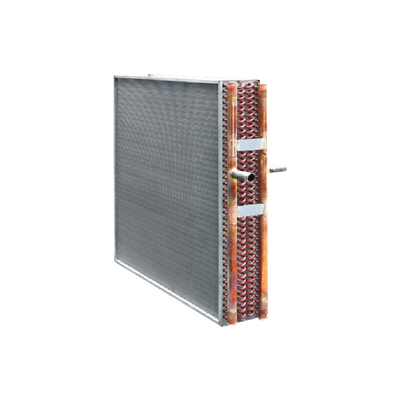
First off, what’s a water cooled condenser? It’s a heat exchanger that takes in hot refrigerant vapor coming from the compressor and turns it back into a liquid by transferring the heat to water. This is a crucial step in the refrigeration and air – conditioning cycles.
Interaction with the Compressor
The compressor is like the heart of the system. It takes the low – pressure refrigerant vapor and compresses it into a high – pressure, high – temperature vapor. Once this hot vapor leaves the compressor, it heads straight to the water cooled condenser.
Think of it as a relay race. The compressor hands off the hot refrigerant to the condenser. The condenser then has to do its job of cooling it down. If the condenser isn’t working properly, it can put a lot of stress on the compressor. For example, if the condenser is clogged or the water flow is restricted, the heat won’t be removed effectively. This means the compressor has to work harder to maintain the system’s performance. Over time, this can lead to premature wear and tear on the compressor, shorten its lifespan, and even cause it to break down.
On the flip side, a well – functioning condenser helps the compressor operate more efficiently. When the condenser cools the refrigerant quickly and effectively, the compressor doesn’t have to work as hard. This can save energy and reduce the overall operating costs of the system.
Interaction with the Expansion Valve
After the condenser turns the refrigerant vapor into a liquid, it’s time for the next component: the expansion valve. The expansion valve is responsible for regulating the flow of the high – pressure liquid refrigerant into the evaporator.
The condenser plays a big role in ensuring that the refrigerant is in the right state for the expansion valve. If the refrigerant is not fully condensed in the condenser, it may still contain some vapor. This can cause problems for the expansion valve because it’s designed to handle liquid refrigerant. The presence of vapor can lead to improper throttling and can affect the performance of the evaporator.
A properly functioning condenser ensures that the refrigerant is a fully condensed liquid when it reaches the expansion valve. This allows the expansion valve to work correctly, controlling the flow of refrigerant and maintaining the right pressure and temperature conditions in the evaporator.
Interaction with the Evaporator
The evaporator is where the "cooling magic" happens. It takes in the low – pressure liquid refrigerant from the expansion valve and turns it into a vapor by absorbing heat from the surrounding environment.
The interaction between the condenser and the evaporator is indirect but very important. The condenser sets the stage for the evaporator to do its job. By efficiently condensing the refrigerant, the condenser ensures that there is a continuous supply of cold, liquid refrigerant available for the evaporator.
If the condenser doesn’t cool the refrigerant enough, the evaporator won’t be able to absorb as much heat. This means that the cooling capacity of the system will be reduced. For example, in an air – conditioning system, the room won’t cool down as effectively. On the other hand, a well – performing condenser provides the evaporator with the right amount of cold refrigerant, allowing it to operate at its peak efficiency and provide the desired cooling.
Interaction with the Water Supply System
Of course, since it’s a water cooled condenser, it has a close relationship with the water supply system. Water is used as the cooling medium to remove heat from the refrigerant.
The water supply system needs to provide a steady flow of clean water to the condenser. If the water flow is too low, the condenser won’t be able to transfer heat effectively. The refrigerant won’t cool down as much, and the system’s performance will suffer. Also, if the water is dirty or contains a lot of sediment, it can clog the condenser tubes. This reduces the heat transfer efficiency and can cause damage to the condenser over time.
The condenser, in turn, can affect the water supply system. As the water absorbs heat from the refrigerant, its temperature rises. This hot water then needs to be removed from the condenser and may need to be cooled before it can be reused. In some systems, a cooling tower is used to cool the hot water. So, the performance of the condenser is closely linked to the overall operation of the water supply and cooling tower system.
Importance of Proper Interaction
Getting all these components to work together smoothly is crucial for the overall performance and efficiency of the system. A problem with one component can have a domino effect on the others.
For example, if the water supply to the condenser is interrupted, the condenser won’t be able to cool the refrigerant. This will cause the compressor to work harder, increasing energy consumption and potentially leading to compressor failure. The expansion valve may also not function properly due to the improper state of the refrigerant. And finally, the evaporator won’t be able to provide the necessary cooling, leaving the system ineffective.
Our Role as a Water Cooled Condenser Supplier
As a water cooled condenser supplier, we understand the importance of these interactions. We design and manufacture condensers that are built to work seamlessly with other components in the system.
Our condensers are made with high – quality materials to ensure efficient heat transfer. We use advanced manufacturing techniques to create condensers with the right tube sizes and configurations for optimal performance. We also offer technical support to our customers to help them install and maintain their systems correctly.
If you’re in the market for a water cooled condenser, you want to make sure you’re getting a product that will integrate well with your existing system. Our team of experts can work with you to understand your specific needs and recommend the best condenser for your application. Whether you’re in the refrigeration industry, air – conditioning, or any other field that uses these systems, we’ve got you covered.
Contact Us for a Purchase Discussion
Finned Tube If you’re interested in learning more about our water cooled condensers or want to discuss a potential purchase, don’t hesitate to reach out. We’re here to help you find the best solution for your system and make sure all your components work together like a well – oiled machine.
References
- Stoecker, W. F., & Jones, J. W. (1982). Refrigeration and Air Conditioning. McGraw – Hill.
- ASHRAE Handbook. (Multiple editions). American Society of Heating, Refrigerating and Air – Conditioning Engineers.
- Cengel, Y. A., & Boles, M. A. (2015). Thermodynamics: An Engineering Approach. McGraw – Hill.
Xiangshui Derkang Refrigeration Equipment Co., Ltd.
Address: No. 2, Xiaojian Town Entrepreneurship Park, Xiangshui County
E-mail: 505745223@qq.com
WebSite: https://www.xsderk.com/
