Hey there! I’m a supplier of Plastic Bucket Crate Injection Molding Machines, and I often get asked about the maximum size of plastic buckets and crates that our machines can churn out. It’s a hot topic, so I figured I’d write this blog to shed some light on it. Plastic Bucket Crate Injection Molding Machine
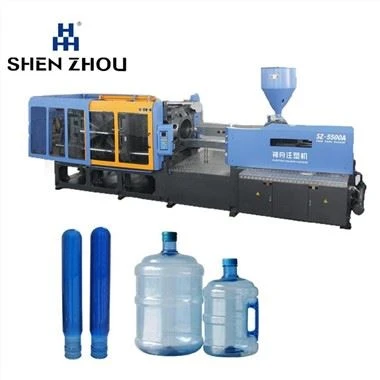
First off, let’s understand that the maximum size isn’t set in stone. It depends on a bunch of factors related to the machine and the materials we’re working with.
Machine – related Factors
1. Clamping Force
The clamping force of an injection – molding machine is like a strong grip. It holds the mold shut while the molten plastic is injected. The higher the clamping force, the larger the part we can make. You see, when we’re injecting plastic into a big mold for a large bucket or crate, the pressure inside tries to push the mold open. If the clamping force isn’t enough, the plastic might leak out, or the part won’t form properly.
Our machines come in different clamping – force ratings. For smaller jobs, we’ve got machines with a clamping force of around 50 tons. These are great for making small – to – medium – sized buckets and crates, like the ones you’d use to store tools in your garage. But if you’re looking to make those huge industrial – grade buckets, we’ve got machines with clamping forces of up to 500 tons. With a 500 – ton machine, we can handle much larger molds and produce big buckets that can hold hundreds of liters.
2. Injection Volume
Another crucial factor is the injection volume. This is how much molten plastic the machine can shoot into the mold in one go. Think of it as a big syringe; the bigger the syringe, the more plastic it can push out.
Our smaller machines might have an injection volume of around 100 cubic centimeters. These are good for making little sample buckets or small crates for holding fruits or vegetables in a local market. On the other hand, our heavy – duty machines can have an injection volume of up to 10,000 cubic centimeters. With this kind of capacity, we can fill large molds to create big, bulky crates used in warehouses or for shipping large items.
3. Mold Size and Structure
The machine also has to accommodate the mold. The mold itself sets the size of the bucket or crate we’ll be making. Our machines have a specific space between the platens (the parts that hold the mold) where the mold is placed.
If the mold is too big to fit between the platens, we’re out of luck. We have machines with different platen sizes. For smaller molds, we’ve got machines where the platen space is around 500 millimeters by 500 millimeters. But for those extra – large molds for big industrial buckets, we have machines with platen spaces of up to 2000 millimeters by 2000 millimeters.
Also, the structure of the mold matters. Some molds for large parts might be more complex in design, and the machine has to be able to work with that complexity.
Material – related Factors
1. Plastic Flow
Not all plastics flow the same way when they’re melted. Some plastics, like polyethylene, have a high flow rate. This means they can easily fill a large mold, even if it has a complicated shape or a long distance to travel inside the mold.
On the other hand, some engineering plastics have a lower flow rate. These plastics are more viscous, and they might not be able to reach all the corners of a large mold as easily. When we’re making large buckets or crates, we need to consider the plastic’s flow properties. We might need to adjust the injection speed and pressure to ensure that the plastic fills the entire mold evenly.
2. Shrinkage
Plastic shrinks as it cools down. The amount of shrinkage varies depending on the type of plastic. For large buckets and crates, shrinkage can be a real pain. If we don’t account for it, the final part might come out smaller than we intended, or it might have warping or other defects.
We have to calculate the shrinkage rate for the specific plastic we’re using and then design the mold slightly larger to compensate. This is especially important for large – scale production, where even a small amount of shrinkage can add up and cause problems.
Typical Maximum Sizes
Based on the machines we offer and the common plastics used, here are some typical maximum sizes for buckets and crates:
Buckets
For our standard machines with a clamping force of around 200 tons and an injection volume of about 2000 cubic centimeters, we can make buckets with a capacity of up to 250 liters. These are big buckets, like the ones used in industrial waste collection or for storing large quantities of liquids.
If you use our high – end machines with a 500 – ton clamping force and a 10,000 – cubic – centimeter injection volume, we can produce buckets with a capacity of up to 500 liters. These monsters are used in heavy – industry applications, like in chemical plants or large – scale manufacturing facilities.
Crates
For medium – sized machines, we can make crates that are around 1200 millimeters long, 800 millimeters wide, and 600 millimeters high. These are great for transporting and storing large items in logistics and warehousing.
With our top – of – the – line machines, we can produce crates that are up to 2000 millimeters long, 1500 millimeters wide, and 1000 millimeters high. These giant crates are used for shipping really big and heavy products, like industrial machinery parts or large pieces of furniture.
Customizing for Your Needs

Now, if you’ve got specific requirements for bucket or crate sizes that are beyond the typical range, don’t worry. We’re all about customization. Our team of engineers can work with you to modify the machine or the molds to meet your exact needs. Maybe you need a super – long crate for transporting pipes, or a really wide bucket for special – purpose applications. We can figure out a solution that’ll work.
Auxiliary Machinery If you’re in the market for a Plastic Bucket Crate Injection Molding Machine and want to know more about the maximum size capabilities or have any other questions, don’t hesitate to reach out. We’re here to help you choose the right machine for your production goals and can offer great advice on making plastic buckets and crates of all sizes. Whether you’re a small – scale manufacturer or a large industrial company, we’ve got the expertise to get you the results you want.
References
- "Injection Molding Handbook" – A comprehensive guide on injection – molding processes, factors affecting production, and customizing machine capabilities.
- "Plastic Materials: Properties and Applications" – A resource that details the properties of different plastics, including their flow rates and shrinkage rates.
Shenzhou Machinery Co., Ltd.
As one of the most professional plastic bucket crate injection molding machine manufacturers and suppliers in China, we’re featured by quality products and good price. Please feel free to buy advanced plastic bucket crate injection molding machine made in China here from our factory. We also accept customized orders.
Address: Fenghuang Town, Zhangjiagang City, Jiangsu Province, P.R.China
E-mail: sale@shenzhoumac.com
WebSite: https://www.shen-zhoumachinery.com/
