Hey there! I’m a supplier of forged cylinders, and I often get asked whether a forged cylinder can be reused. It’s a pretty common question, and there are a bunch of factors that come into play when making that decision. In this blog, I’ll break down these factors so you can have a better idea of what to look for. Forged Cylinder
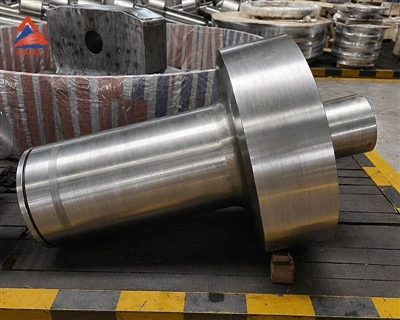
1. Material Condition
The first thing I always check is the material condition of the forged cylinder. Over time, cylinders can experience wear, corrosion, and fatigue. If the cylinder has been exposed to harsh chemicals or extreme temperatures, the material might have degraded.
- Wear and Tear: Look for signs of excessive wear on the inner and outer surfaces of the cylinder. If the walls are thinning or if there are deep scratches, it could be a sign that the cylinder is no longer safe to reuse. For example, in hydraulic cylinders, the piston rod can wear down due to the constant friction with the seals. If the wear is beyond a certain limit, the cylinder might start to leak, and reusing it could lead to system failure.
- Corrosion: Corrosion is another big issue. If the cylinder is made of metal, it’s susceptible to rust and other forms of corrosion. Even a small amount of corrosion can weaken the material and compromise the integrity of the cylinder. I once had a customer who wanted to reuse a cylinder that had been sitting outside in the rain for a while. When we inspected it, we found significant corrosion on the surface, and it was clear that reusing it would be a bad idea.
- Fatigue: Fatigue occurs when a cylinder is subjected to repeated stress over time. This can cause cracks to form in the material, which can spread and eventually lead to failure. If you notice any cracks, no matter how small, it’s usually a good idea to replace the cylinder rather than trying to reuse it.
2. Dimensional Accuracy
The dimensional accuracy of the forged cylinder is crucial. If the cylinder has been subjected to high pressures or has been misused, its dimensions might have changed.
- Inner and Outer Diameters: The inner and outer diameters of the cylinder need to be within the specified tolerances. If the inner diameter has expanded or the outer diameter has shrunk, it can affect the performance of the cylinder. For example, in an engine cylinder, if the inner diameter is too large, the piston might not fit properly, leading to reduced power and increased fuel consumption.
- Length and Straightness: The length and straightness of the cylinder also matter. If the cylinder has been bent or distorted, it won’t function correctly. In a hydraulic cylinder, a bent rod can cause uneven wear on the seals and lead to leaks.
3. Inspection and Testing Results
Before deciding whether to reuse a forged cylinder, it’s important to conduct thorough inspections and tests.
- Non – Destructive Testing (NDT): Methods like ultrasonic testing, magnetic particle testing, and dye penetrant testing can help detect internal and surface flaws in the cylinder. Ultrasonic testing can identify cracks and other defects deep within the material, while magnetic particle testing is good for detecting surface cracks in ferromagnetic materials.
- Pressure Testing: Pressure testing is essential to ensure that the cylinder can withstand the required operating pressure. If the cylinder fails the pressure test, it’s a clear indication that it shouldn’t be reused.
4. Original Design and Intended Use
The original design and intended use of the forged cylinder play a significant role in determining whether it can be reused.
- Design Specifications: The cylinder might have been designed for a specific application with certain pressure, temperature, and load requirements. If the cylinder has been used in a different application or under different conditions than it was designed for, it might be at risk of failure if reused.
- Warranty and Manufacturer Recommendations: Some manufacturers provide guidelines on whether a cylinder can be reused. It’s a good idea to check the warranty information and follow the manufacturer’s recommendations. If the cylinder is still under warranty, reusing it might void the warranty.
5. Cost – Benefit Analysis
Finally, a cost – benefit analysis is necessary. Reusing a forged cylinder can save money, but it’s important to weigh the potential savings against the risks.
- Reconditioning Costs: If the cylinder needs to be reconditioned, there will be costs involved, such as machining, cleaning, and replacing seals. If the reconditioning costs are too high, it might be more cost – effective to buy a new cylinder.
- Downtime and Risk of Failure: Reusing a cylinder that is not in good condition can lead to downtime and costly repairs. If the cylinder fails during operation, it can cause damage to other components in the system and result in lost productivity.

So, there you have it! These are the main factors that determine whether a forged cylinder can be reused. As a supplier, I always recommend conducting a thorough inspection and evaluation before making a decision. If you’re in the market for forged cylinders or need advice on cylinder reuse, don’t hesitate to reach out. We’re here to help you make the best choices for your needs.
Forged Cylinder References:
- ASME Boiler and Pressure Vessel Code
- API Standards for Cylinder Manufacturing and Inspection
- Manufacturer’s Technical Manuals for Forged Cylinders
Zhangjiagang Xinjie Forging Co., Ltd.
As one of the most professional forged cylinder manufacturers and suppliers in China, we offer a wide range of products with superior quality. Please rest assured to buy customized forged cylinder at competitive price from our factory. Also, OEM service is available.
Address: No.8, Longtanwan Road,Hexing, Jinfeng
E-mail: xinjie@xinjiecasting.com
WebSite: https://www.xinjieforging.com/
