If you’ve ever wandered the bakery aisle, scrolling past flaky croissants oozing butter or soft chocolate chip cookies packed with whole milk, you’ve probably asked the exact same question: Are there actually good vegan baked pastries? As someone who’s spent the last 7 years running a small, local baked pastries supplier, I get it. For the longest time, vegan baked goods were basically that sad, dry muffin that tastes like cardboard and was probably sitting in a case for three days. No one wanted it, and we didn’t want to waste time perfecting it—until our first big order from a vegan café that pulled in way more business than we expected. That’s when we realized this isn’t just a “trendy niche” thing. It’s a huge, underserved market, and the baked pastry space is way more innovative (and delicious) than most people think. Baked Pastries
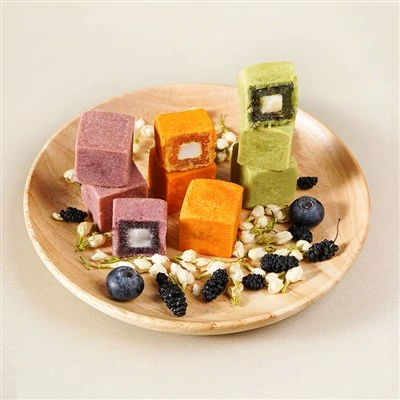
Let’s cut through the confusion first: “vegan” just means no animal products. No butter, no eggs, no milk, no honey, sometimes even no refined sugar that’s filtered with bone char. For baked pastries, that’s the main three we had to swap out, and let’s be real—people used to think that meant the end of anything worth eating. Eggs for structure? Butter for richness and flakiness? Milk to keep things moist? Nah, we swapped all that with stuff that doesn’t scream “diet food” or “alternative.” I’ll be honest, when we started testing, I was skeptical too. I tried a vegan croissant that tasted like a paper bag at a trade show once, so I brought that energy into the kitchen. But our pastry chef, Mia, grew up making her abuela’s conchas, and she’s always been obsessed with plant-based swaps that don’t compromise flavor. What did she use? For flakiness, she went with cold, high-fat coconut oil refined enough that it doesn’t taste like a tropical vacation (critical—no one wants their vegan croissant to taste like pina colada). For eggs? Chickpea flour and a little applesauce for things that need binders, and aquafaba—you know, the brine from canned chickpeas—whipped into stiff peaks for meringues, macarons, even cream cheese frosting. For milk? Oat milk, specifically the barista blend that’s creamier than whole milk and doesn’t curdle when you bake it. We even got fancy with the sugar—we use unrefined cane sugar that’s not filtered with bone char, which is a non-negotiable for most strict vegans.
Here’s the thing though: vegan baked pastries don’t have to be “healthy” versions of regular pastries. They can be just as indulgent, maybe even more flavorful. Take our vegan chocolate croissants, for example. The regular ones are good, but ours uses that refined coconut oil for layers, and we stuff them with 70% dark chocolate that’s also vegan. Last month, we sold 1,200 of these to a local coffee shop, and half the customers who bought them didn’t even realize they were vegan. That’s the win, right? No one should have to settle for less just because they follow a vegan diet. We also do vegan blueberry scones with lemon glaze, vegan cinnamon rolls that have a sweet maple cream cheese frosting (made with that aquafaba, by the way), and even vegan savory hand pies stuffed with spinach and vegan feta. The savory stuff gets overlooked a lot, but it’s just as popular—our feta spinach hand pies sell out every Friday at the farmers’ market.
Wait, but let’s talk about the science, because I know a lot of people (including some of our regular customers) still side-eye it. Baking is chemistry, not just mixing flour and sugar, so swapping animal ingredients requires getting the ratios right. If you use too much coconut oil, your pastry will be greasy; too little, and it’ll fall apart. Aquafaba doesn’t whip the same as egg whites, so you have to let it sit in the fridge for 24 hours before you use it to get that stiff peak consistency. We tested over 50 different recipes in the first three months before we even put a single vegan pastry on the menu, and we messed up a lot. Once, we tried making vegan macarons and they spread all over the baking sheet like flat discs. Turned out, we didn’t sift the almond flour fine enough, and we overwhipped the aquafaba. Now? Our vegan macarons are some of our best sellers—they have the perfect crisp shell and chewy center, just like the regular ones. Another common myth: vegan baked goods don’t last as long. That’s not true if you use the right ingredients. The natural fats in coconut oil and the fiber in things like chickpea flour actually help keep pastries moist longer, as long as you store them properly. We’ve had customers tell us our vegan chocolate chip cookies stay soft for 3 days, which is longer than most regular cookies they buy.
I should also mention the different types of vegan baked pastries that are out there, because it’s not just the basics. A lot of people think vegan pastries are limited to cookies and muffins, but no—there are croissants, danishes, turnovers, even layered cakes. We recently started doing vegan morning buns with orange zest and a caramel glaze that’s made with maple syrup and coconut cream. It’s sweet, sticky, and way better than the regular morning buns I grew up eating. For people who love something savory, we do vegan empanadas too, stuffed with black beans and corn, and the flaky crust is just as good as any regular empanada crust. The key here is that we don’t treat vegan baking like a separate category. It’s the same quality, same care, same ingredients—just no animal products.
Now, I know what a lot of bakery owners or even home bakers might be thinking: “This sounds like a lot of work. Why bother?” The short answer is, because the demand is insane. Over the last 5 years, plant-based food sales have gone up 200% globally, and baked pastries are one of the fastest growing segments in that space. Our customer base isn’t just vegans, either—we have flexitarians who want to cut back on meat and dairy, people with lactose intolerance, even people who just like the taste of our vegan pastries better. Last quarter, 40% of our bulk orders were for vegan baked goods, which is up 15% from the quarter before. That’s not a tiny niche—that’s a big, growing market that no one wants to ignore.
But here’s the thing we’ve learned over the years: not all vegan baked pastries are created equal. A lot of big grocery store chains sell pre-packaged vegan cookies that are full of processed additives and weird fillers, and that’s given the whole category a bad name. We never wanted to do that. All our pastries are made with simple, recognizable ingredients—no preservatives, no weird chemicals you can’t pronounce. We use real fruit, real dark chocolate, real spices. That’s why our customers keep coming back.
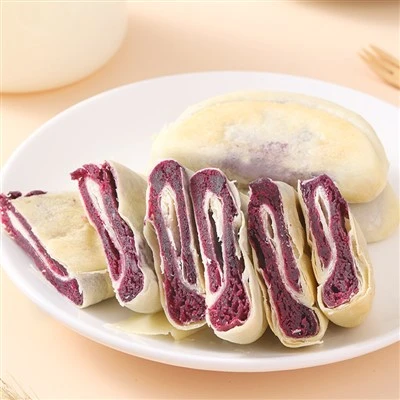
If you’re a café owner, a restaurant, a grocery store buyer, or anyone looking to add high-quality vegan baked pastries to your menu or shelves, let’s talk. We’ve been in the business for years, and we know how to make vegan pastries that taste great, sell well, and keep customers coming back. We can customize orders, adjust for different dietary needs (like gluten-free, if that’s something you’re looking for), and deliver fresh, daily. Whether you need a small batch for a local coffee shop or a bulk order for a regional grocery chain, we can handle it. We don’t do “generic” vegan pastries—we do pastries that people are excited to buy, no matter what their diet is.
Frozen Pastries At the end of the day, vegan baked pastries aren’t some weird trend that’s going to go away. They’re a staple now, and they’re only getting better. The old idea that vegan food is bland or boring is totally outdated. All you need is a little creativity, the right ingredients, and a baker who cares as much about flavor as they do about being inclusive. If you’re still asking “Are there any vegan baked pastries?” the answer is a resounding yes. And we make some of the best ones you’ll ever taste. So reach out if you’re ready to add something new and delicious to your offerings—let’s make something great together.
References
- Plant Based Foods Association. (2024). 2024 State of the Plant-Based Foods and Beverages Industry.
- Patel, A., & Galloway, S. (2022). The Science of Vegan Baking: Key Substitutions and Functional Properties of Plant-Based Ingredients. Journal of Culinary Science and Technology.
- Statista. (2024). Global Retail Sales of Plant-Based Bakery Products, 2019–2028.
- The Vegan Society. (2023). Guide to Vegan Baking: Avoiding Animal Products in Home and Commercial Recipes.
- Mintel. (2023). Trends in Baked Goods: Plant-Based Innovation and Consumer Demand.
Fujian Luchen Food Co., Ltd.
As one of the most professional baked pastries manufacturers and suppliers in China since 1986, our products have good reputation in the market. Please feel free to wholesale bulk delicious baked pastries from our factory. Good service and quality products are available.
Address: No. 19, Shangxipulou, Nansheng Town, Pinghe County, Zhangzhou City, Fujian Province
E-mail: service@xmnahan.com
WebSite: https://www.luchenbakery.com/
