Hey there! I’m a supplier of industrial plug and sockets, and today I wanna chat about whether there are any environmental protection requirements for these products. Industrial Plug and Socket
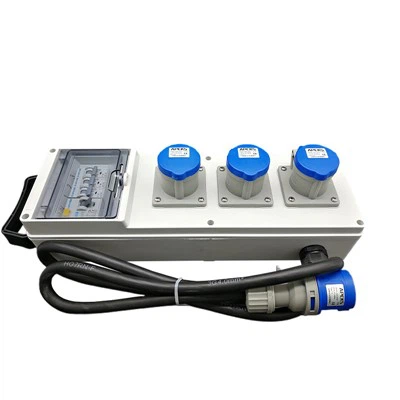
Let’s start by understanding the industrial plug and socket scene. These things are all over the place in industries, from manufacturing plants to construction sites. They’re crucial for connecting electrical equipment safely and efficiently. But with the growing concern about the environment, it’s natural to wonder if there are specific environmental protection rules for them.
1. Material Selection and Environmental Impact
One of the key aspects of environmental protection when it comes to industrial plug and sockets is the materials used. We all know that certain materials can have a big impact on the environment. For example, some plastics used in plugs and sockets may be non – biodegradable and can take hundreds of years to break down in landfills.
As a supplier, I’m always on the lookout for more eco – friendly materials. There are now some bio – based plastics available that are made from renewable resources like corn starch or sugarcane. These materials are not only biodegradable but also have a lower carbon footprint compared to traditional plastics.
Another important material is the metal used in the contacts. Copper is a common choice because of its excellent electrical conductivity. But the mining and refining of copper can be quite energy – intensive and have a significant environmental impact. To address this, some suppliers are looking into using recycled copper. Recycled copper requires less energy to produce compared to virgin copper, which helps in reducing greenhouse gas emissions.
2. Energy Efficiency
Industrial plug and sockets also play a role in energy efficiency, which is a major part of environmental protection. A well – designed plug and socket can reduce energy losses during the transfer of electricity. For instance, if the contact between the plug and the socket is loose, it can cause electrical resistance, which in turn leads to energy being wasted as heat.
We’re constantly working on improving the design of our products to ensure a tight and secure connection. This not only reduces energy losses but also enhances the safety of the electrical system. Some of our newer models have features like self – aligning contacts, which make it easier to insert the plug and ensure a better connection.
3. Waste Reduction and Recycling
When it comes to waste reduction, we have a responsibility as suppliers. We encourage our customers to recycle old or damaged industrial plug and sockets. Many of the components in these products can be recycled, such as the metal contacts and the plastic housing.
We’ve also started implementing a take – back program. This means that when our customers have old plug and sockets that they no longer need, they can send them back to us. We then sort and recycle the different components. This helps in reducing the amount of waste that goes to landfills and also conserves valuable resources.
4. Compliance with Environmental Standards
There are several environmental standards that industrial plug and sockets need to comply with. For example, the Restriction of Hazardous Substances (RoHS) directive restricts the use of certain hazardous materials like lead, mercury, cadmium, and hexavalent chromium in electrical and electronic equipment.
As a supplier, we make sure that all our products are RoHS compliant. This not only helps in protecting the environment but also ensures the safety of our customers. We also keep an eye on other international environmental standards, such as the Waste Electrical and Electronic Equipment (WEEE) directive, which focuses on the proper disposal and recycling of electrical and electronic products.
5. The Future of Environmental Protection in Industrial Plug and Sockets
The future looks bright for environmental protection in the industrial plug and socket industry. There’s a growing demand for more sustainable products, and we’re seeing more innovation in this area. For example, researchers are working on developing new materials that are even more eco – friendly and have better performance.
We’re also likely to see more integration of smart technology in industrial plug and sockets. Smart plugs can monitor energy consumption and help users optimize their energy usage. This not only saves money but also reduces the environmental impact.
Why Choose Our Industrial Plug and Sockets

As a supplier, we’re committed to environmental protection. Our products are made from eco – friendly materials, are energy – efficient, and comply with all the relevant environmental standards. We also offer a take – back program to help reduce waste.
Floor Standing Distribution Box If you’re in the market for industrial plug and sockets, we’d love to have a chat with you. Whether you’re a small business or a large industrial company, we can provide you with high – quality products that meet your needs and are kind to the environment. Don’t hesitate to reach out to us for a quote or to discuss your specific requirements. We’re here to help you make the right choice for your electrical systems.
References
- European Union RoHS Directive (2011/65/EU)
- Waste Electrical and Electronic Equipment (WEEE) Directive (2012/19/EU)
- Research papers on bio – based plastics and their applications in electrical products
- Industry reports on energy efficiency in industrial electrical equipment
Apeks Electric Co., Ltd.
As one of the leading industrial plug and socket manufacturers and suppliers in China, we also support custom service. With abundant experience, we warmly welcome you to wholesale high quality industrial plug and socket from our factory. Welcome to view our website for more information.
Address: No.2 Yuyao Rd, Yuxin, Nanhu District, Jiaxing, China
E-mail: kevin@apekselectric.com
WebSite: https://www.powerdistros.com/
