Hey there! As a bamboo wall cladding supplier, I’ve seen firsthand how temperature can have a big impact on our products. In this blog post, I’m going to chat about the effects of temperature on bamboo wall cladding, and why it’s important to keep these factors in mind when you’re thinking about using bamboo for your interior or exterior projects. Bamboo Wall Cladding
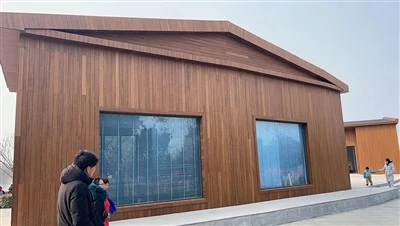
How Temperature Affects Bamboo Wall Cladding
Let’s start with the basics. Bamboo is a natural material, and like all natural materials, it responds to changes in temperature. One of the most significant ways temperature affects bamboo is through expansion and contraction. When the temperature rises, bamboo tends to expand, and when it drops, it contracts. This is a normal physical property of the material, but it can cause some issues if not properly managed.
For instance, if you install bamboo wall cladding in an environment with large temperature fluctuations, the constant expansion and contraction can lead to gaps between the panels over time. These gaps not only look unsightly but can also compromise the integrity of the cladding. Additionally, extreme temperature changes can cause the bamboo to warp or crack. This is especially true if the bamboo is exposed to sudden and drastic shifts in temperature.
Another aspect to consider is the moisture content in the bamboo. Temperature and humidity are closely related, and changes in temperature can affect the amount of moisture the bamboo holds. When the temperature is high, the bamboo may release moisture into the surrounding air, causing it to dry out. On the other hand, in colder temperatures, the bamboo may absorb moisture from the air, leading to swelling. Both drying out and swelling can have negative impacts on the appearance and durability of the wall cladding.
Impact on Different Types of Bamboo Wall Cladding
There are different types of bamboo wall cladding available in the market, and each type may react differently to temperature changes. For example, solid bamboo panels are more likely to show the effects of expansion and contraction compared to engineered bamboo products. Engineered bamboo is often made by bonding multiple layers of bamboo together, which can help to reduce the impact of temperature-related movement.
Vertical bamboo slats are another popular option for wall cladding. These slats are usually spaced apart, which allows for some natural movement due to temperature changes. However, if the spacing is not designed properly, the slats can still rub against each other during expansion and contraction, causing wear and tear over time.
Temperature Considerations for Interior and Exterior Use
When it comes to using bamboo wall cladding, whether it’s for interior or exterior applications makes a big difference in terms of temperature impact.
Interior Use
For interior spaces, the temperature is generally more stable compared to the outdoors. However, there can still be variations depending on the heating and cooling systems in the building. For example, in a room with a powerful heater or air conditioner, the temperature can change quite rapidly. It’s important to ensure that the bamboo wall cladding is properly installed and that there is enough space for expansion and contraction.
In addition, if the interior space has high humidity levels, such as in a bathroom or kitchen, the combination of moisture and temperature changes can be particularly challenging for bamboo. In these areas, it’s crucial to use a moisture-resistant finish on the bamboo to protect it from damage.
Exterior Use
Exterior bamboo wall cladding is exposed to the full range of weather conditions, including extreme temperatures. In hot climates, the sun can heat up the bamboo to very high temperatures, causing it to expand and potentially fade in color. In cold climates, freezing temperatures can cause the bamboo to become brittle and more prone to cracking.
To protect the bamboo from these harsh conditions, it’s essential to choose a high-quality finish that provides UV protection and water resistance. Additionally, proper installation techniques, such as leaving enough gaps for expansion, are crucial for ensuring the longevity of the exterior cladding.
Tips for Managing Temperature Effects
As a bamboo wall cladding supplier, I want to share some tips on how to manage the effects of temperature on your bamboo wall cladding:
- Proper Installation: Make sure the cladding is installed by a professional who understands the properties of bamboo and how to account for temperature-related movement. Leave enough space between the panels or slats to allow for expansion and contraction.
- Choose the Right Type of Bamboo: Consider the specific requirements of your project and choose the type of bamboo wall cladding that is most suitable for the temperature conditions. Engineered bamboo may be a better option for areas with large temperature fluctuations.
- Apply a Suitable Finish: A good quality finish can help to protect the bamboo from temperature and moisture damage. Look for finishes that offer UV protection and water resistance.
- Monitor the Environment: Keep an eye on the temperature and humidity levels in the area where the bamboo wall cladding is installed. If necessary, use a humidifier or dehumidifier to maintain a stable environment.
Why Choose Our Bamboo Wall Cladding
At our company, we take pride in offering high-quality bamboo wall cladding that is designed to withstand temperature changes. We source our bamboo from sustainable forests and use advanced manufacturing techniques to ensure the durability and performance of our products.
Our team of experts is always available to provide advice on the best type of bamboo for your project, as well as installation and maintenance tips. We understand the importance of temperature management when it comes to bamboo wall cladding, and we’re committed to helping our customers make the right choices.
Whether you’re working on a small residential renovation or a large commercial project, our bamboo wall cladding is a great choice. It adds a natural and stylish touch to any space, while also being environmentally friendly.
Contact Us for Your Bamboo Wall Cladding Needs
If you’re interested in learning more about our bamboo wall cladding or have any questions about how temperature may affect your project, don’t hesitate to get in touch with us. We’re here to help you with all your bamboo wall cladding needs, from selection to installation.
Bamboo Fence Let’s work together to create a beautiful and sustainable space with our high-quality bamboo wall cladding. Just send us an inquiry, and we’ll get back to you as soon as possible.
References
- Smith, J. Bamboo Building Materials: Properties and Applications. Wood Science Press, 2018.
- Johnson, A. The Impact of Temperature and Humidity on Natural Materials. Journal of Building Materials, 2020.
- Brown, C. Sustainable Bamboo Construction: Best Practices. Green Building Institute, 2019.
Ningguo Kungtai Bamboo and Wood Co., Ltd.
As one of the most professional bamboo wall cladding manufacturers and suppliers in China, we warmly welcome you to wholesale bulk customized bamboo wall cladding from our factory. If you have any enquiry about quotation, please feel free to email us.
Address: East of Huanggang Road, Ningdun Town, Ningguo City, Anhui Province
E-mail: office@hh-bamboo.com
WebSite: https://www.kungtaibamboo.com/
