Training operators for a CNC lathe is a crucial task for any CNC lathe supplier. It ensures that the machines we provide are used to their full potential, which in turn enhances our customers’ productivity and efficiency. In this blog post, I’ll share some insights on how to train operators for a CNC lathe based on my experience in the industry. CNC Lathe
Understanding the Basics of CNC Lathe Operation
Before diving into the training process, it’s essential to understand what a CNC lathe is and how it works. A CNC (Computer Numerical Control) lathe is a machine tool that uses computerized controls to operate and manipulate the cutting tools. It can perform a variety of operations such as turning, facing, threading, and grooving with high precision and repeatability.
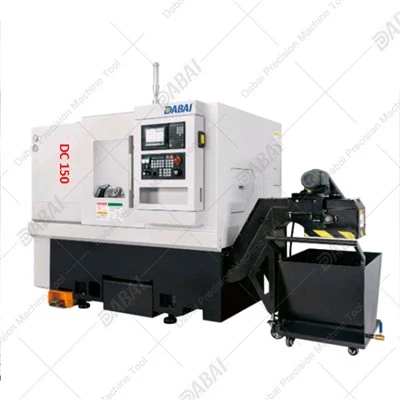
The first step in training operators is to familiarize them with the basic components of the CNC lathe. This includes the bed, headstock, tailstock, carriage, and the control panel. Explain how each part functions and how they work together to perform different machining operations. For example, the headstock holds the spindle, which rotates the workpiece, while the carriage moves the cutting tool along the workpiece.
Theoretical Training
Theoretical training forms the foundation of any operator training program. It provides operators with the knowledge they need to understand the principles of CNC machining and how to use the machine safely and effectively.
1. CNC Programming
One of the most important aspects of CNC lathe operation is programming. Operators need to learn how to write programs that control the movement of the cutting tool and the rotation of the workpiece. Start by teaching them the basic programming codes and commands used in CNC lathes, such as G-codes and M-codes. G-codes are used to control the movement of the cutting tool, while M-codes are used to control auxiliary functions such as coolant on/off and spindle speed.
There are several programming methods available, including manual programming and computer-aided programming (CAM). Manual programming involves writing the codes by hand, which is suitable for simple machining operations. CAM programming, on the other hand, uses software to generate the codes automatically based on the 3D model of the workpiece. As an operator, it’s important to understand both methods and know when to use them.
2. Workpiece Setup
Proper workpiece setup is crucial for achieving accurate machining results. Train operators on how to select the appropriate chuck or collet to hold the workpiece securely. Teach them how to measure the workpiece and align it with the spindle axis to ensure concentricity. Also, show them how to set the cutting tool height and position accurately.
3. Cutting Parameters
Operators need to understand the relationship between cutting parameters such as cutting speed, feed rate, and depth of cut. These parameters affect the quality of the machined surface, the tool life, and the machining time. Provide them with guidelines on how to select the appropriate cutting parameters based on the material of the workpiece and the type of cutting tool being used.
Practical Training
While theoretical training is important, practical training is where operators really learn the skills needed to operate a CNC lathe. This involves hands-on experience with the machine, allowing operators to apply the knowledge they’ve gained in a real-world setting.
1. Machine Familiarization
Start the practical training by allowing operators to familiarize themselves with the CNC lathe. Let them turn on the machine, move the axes, and adjust the settings while under supervision. This will help them get comfortable with the machine’s controls and operation.
2. Simple Machining Operations
Once operators are familiar with the machine, start by teaching them simple machining operations such as facing and turning. Provide them with sample workpieces and guide them through the programming, setup, and machining process step by step. As they gain confidence and experience, gradually introduce more complex operations such as threading and grooving.
3. Troubleshooting and Maintenance
During practical training, it’s important to teach operators how to troubleshoot common problems that may occur during CNC lathe operation. This includes issues such as tool breakage, chatter, and dimensional errors. Show them how to identify the root cause of the problem and how to take corrective actions.
In addition, train operators on basic machine maintenance tasks such as lubrication, cleaning, and tool changing. Regular maintenance helps to keep the machine in good working condition and extends its service life.
Training Materials and Resources
To support the training process, provide operators with comprehensive training materials and resources. This may include user manuals, programming guides, video tutorials, and online resources. User manuals provide detailed information about the machine’s operation, maintenance, and safety procedures. Programming guides offer step-by-step instructions on how to write CNC programs. Video tutorials can be a great way to demonstrate complex machining operations and troubleshooting techniques.
Continuous Training and Improvement
CNC technology is constantly evolving, and new programming techniques and machining strategies are being developed all the time. To keep up with these changes, it’s important to provide operators with continuous training and professional development opportunities. This can include attending workshops, seminars, and training courses offered by machine tool manufacturers or industry associations.

Encourage operators to share their experiences and knowledge with their colleagues. This can help to create a culture of learning and continuous improvement within the organization.
Conclusion
Vertical Machining Center Training operators for a CNC lathe is a complex but rewarding process. By providing them with a solid foundation in theoretical knowledge, hands-on practical experience, and continuous training, we can ensure that they have the skills and confidence to operate the machine safely and effectively. As a CNC lathe supplier, we have a responsibility to support our customers in training their operators. If you’re interested in learning more about our CNC lathes or need assistance with operator training, please feel free to contact us. We’re here to help you achieve your machining goals.
References
- “CNC Programming Handbook” by Peter Smid
- “CNC Machining Technology” by Mark J.ovanovic
- “Modern Manufacturing Technology” by Mikell P. Groover
Dabai Precision Machine Tool (Jiangsu) Co., Ltd.
As one of the most professional CNC lathe manufacturers and suppliers in China, we’re featured by quality products and good price. Please rest assured to buy advanced CNC lathe for sale here from our factory. We also accept customized orders.
Address: No. 66-1, Zhenhu North Road, Hudai Town, Binhu District, Wuxi City
E-mail: elaine@dabaicnc.com
WebSite: https://www.cnc-dabai.com/
