As a proud supplier of Induction Melting Furnaces, I’ve witnessed firsthand the transformative power of these incredible machines in various industrial settings. However, one aspect that always needs our full attention is safety, especially when operating these furnaces in hazardous environments. Explosion prevention is not just a regulatory requirement but a moral obligation to safeguard lives and property. In this blog, I’ll share some essential explosion – proof measures that should be taken for an induction melting furnace in a hazardous environment. Induction Melting Furnace

Understanding the Hazards
Before delving into the prevention measures, it’s crucial to understand the potential explosion hazards associated with induction melting furnaces in a hazardous environment. Induction melting furnaces work by using electromagnetic induction to heat and melt metals. This process generates high temperatures, and the environment can contain flammable gases, vapors, or combustible dust.
One of the primary risks is the presence of flammable substances in the atmosphere. If these substances reach their flammable limits and come into contact with an ignition source, an explosion can occur. The high – energy electrical components in an induction melting furnace, such as the power supply and induction coils, can generate sparks, which can serve as an ignition source. Additionally, the melting process itself can release gases and fumes, some of which may be flammable or combustible.
Facility Design and Layout
The first line of defense in explosion prevention starts with the proper design and layout of the facility where the induction melting furnace is installed.
- Ventilation Systems: A well – designed ventilation system is essential. It can remove flammable gases, vapors, and dust from the air, keeping their concentrations below the flammable limits. The ventilation system should be sized appropriately to handle the volume of contaminants generated during the melting process. It should also be equipped with high – efficiency particulate air (HEPA) filters to remove dust particles, and gas detectors should be installed to monitor the air quality continuously.
- Zoning: The facility should be divided into different zones based on the degree of explosion risk. The area immediately around the induction melting furnace is likely to be a high – risk zone, while other areas may have a lower risk. By clearly defining these zones, appropriate safety measures can be implemented in each area. For example, electrical equipment in high – risk zones should be explosion – proof rated to prevent the ignition of flammable substances.
- Separation Distances: Sufficient separation distances should be maintained between the induction melting furnace and other sources of ignition, storage areas for flammable materials, and areas with high traffic. This separation can prevent the spread of an explosion or fire in case of an incident.
Equipment Selection and Installation
Choosing the right equipment and installing it correctly is another critical step in explosion prevention.
- Explosion – Proof Components: All electrical components in the induction melting furnace system should be certified as explosion – proof. This includes the power supply, control panels, motors, and lighting fixtures. Explosion – proof components are designed to prevent the ignition of flammable substances by containing any sparks or flames within the enclosure.
- Quality Construction: The furnace itself should be constructed with high – quality materials that can withstand the high temperatures and stresses of the melting process. The refractory lining of the furnace should be inspected regularly for cracks or damage, as any leaks can expose the electrical components to the molten metal or flammable substances, increasing the risk of explosion.
- Proper Installation: The induction melting furnace should be installed according to the manufacturer’s specifications. This includes ensuring proper grounding to prevent electrical sparks and following the correct installation procedures for all components. Any deviations from the recommended installation can compromise the safety of the system.
Operational Procedures
Establishing and following strict operational procedures is vital for preventing explosions in a hazardous environment.
- Training: All personnel working with the induction melting furnace should receive comprehensive training on its operation, safety procedures, and emergency response. They should be educated about the potential hazards associated with the melting process and the importance of following safety protocols. This training should be updated regularly to keep up with any changes in equipment or safety regulations.
- Monitoring and Maintenance: Regular monitoring and maintenance of the induction melting furnace are essential. This includes checking the temperature, pressure, and electrical parameters of the system. Any abnormal readings should be addressed immediately. Maintenance tasks such as lubrication, cleaning, and inspection of components should be carried out according to a scheduled maintenance plan.
- Start – up and Shutdown Procedures: Clear start – up and shutdown procedures should be established. Before starting the furnace, all safety checks should be performed, including verifying the integrity of the ventilation system, checking for any flammable substances in the area, and ensuring that all electrical connections are secure. During shutdown, the furnace should be cooled down gradually to prevent thermal shock and potential damage to the equipment.
Emergency Preparedness
Even with all the preventive measures in place, it’s important to be prepared for emergencies.
- Emergency Response Plan: A comprehensive emergency response plan should be developed and communicated to all employees. The plan should include procedures for evacuating the facility, shutting off the power to the furnace, and extinguishing fires. It should also establish a chain of command and contact information for emergency responders.
- Fire – Fighting Equipment: Adequate fire – fighting equipment should be available in the facility, including fire extinguishers, sprinkler systems, and fire hoses. The type of fire – fighting equipment should be suitable for the type of fires that can occur in an induction melting furnace environment, such as metal fires.
- Emergency Drills: Regular emergency drills should be conducted to ensure that all employees are familiar with the emergency response plan and can respond quickly and effectively in case of an emergency. These drills should be evaluated, and any areas for improvement should be addressed.
Explosion – Proof Technologies and Innovations
As a supplier of Induction Melting Furnaces, we are constantly exploring new explosion – proof technologies and innovations.
- Advanced Sensors: New sensors are being developed that can detect the presence of flammable substances at extremely low concentrations. These sensors can be integrated into the ventilation system and the furnace control system to provide early warnings and trigger automatic safety measures.
- Intelligent Control Systems: Intelligent control systems can monitor the operation of the induction melting furnace in real – time and adjust the parameters to prevent overheating and other potential hazards. These systems can also detect any abnormal behavior and shut down the furnace automatically if necessary.
- Non – Sparking Materials: The use of non – sparking materials in the construction of the furnace and its components can further reduce the risk of ignition. These materials are designed to prevent the generation of sparks even when they come into contact with other objects.
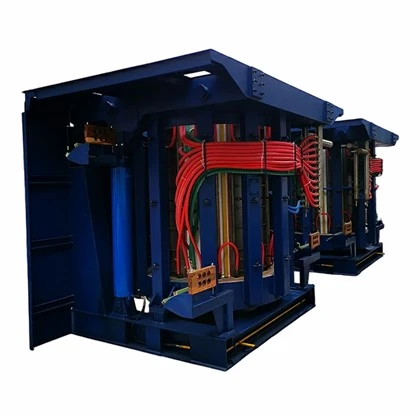
In conclusion, explosion prevention for an induction melting furnace in a hazardous environment requires a multi – faceted approach that includes facility design, equipment selection, operational procedures, emergency preparedness, and the adoption of new technologies. As a supplier, we are committed to providing our customers with the highest – quality induction melting furnaces and the expertise to ensure their safe operation.
Heat Treatment Furnace If you are in the market for an induction melting furnace and want to discuss how we can help you implement the necessary explosion – proof measures for your specific hazardous environment, I encourage you to reach out to our team. We are here to assist you in making the right choice for your business and ensuring the safety of your operations.
References
- "Industrial Ventilation: A Manual of Recommended Practice", American Conference of Governmental Industrial Hygienists (ACGIH).
- "NFPA 86 – Standard for Ovens and Furnaces", National Fire Protection Association (NFPA).
- "IEC 60079 – Explosive atmospheres", International Electrotechnical Commission (IEC).
Xi’an Aobang Technology Co., Ltd.
As one of the most professional induction melting furnace manufacturers and suppliers in China, we’re featured by quality products and good price. Welcome to buy durable induction melting furnace for sale here and get quotation from our factory. Customized orders are welcome.
Address: No.268, Caotan 6th Road, Economical and Technological Development Zone, Xi’an, Shaanxi, China.
E-mail: alicezhang@xaabfurnace.com
WebSite: https://www.xaabfurnace.com/
