Hey there, let’s cut to the chase—if you’re a brand owner, product manager, or just someone who’s ever stared at a shelf of liquid products (think salad dressings, plant-based milks, cleaning sprays, or even craft beer), you’ve probably asked this exact question: Can flexible packaging actually hold liquid without turning into a leaky mess, looking cheap, or falling apart on the shelf? Spoiler: I’m here to tell you it’s not just possible—it’s one of the most underrated game-changers for liquid products right now. And as someone who’s been in the flexible packaging game for over a decade (I started on a factory floor stacking rolls back in 2012, so I’ve seen every leak, every crinkly disaster, and every win), I’ve got the hands-on proof to back this up. Flexible Packaging
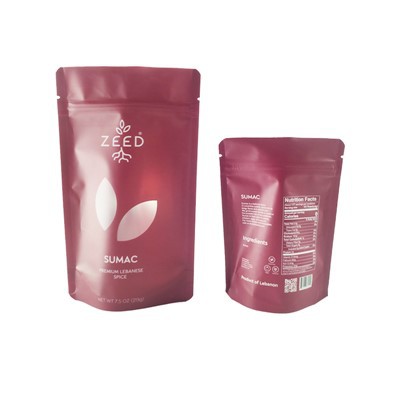
First, let’s get the basics out of the way—wait, no, let’s ditch the jargon. Flexible packaging for liquids isn’t some fancy new tech we pulled out of a lab last month. It’s been around for years, but a lot of people still have the old-school mindset: liquids need rigid containers—plastic jugs, glass bottles, metal cans—because that’s what “works.” But let’s be real: rigid is heavy, expensive to ship, takes up way more space in a warehouse or on a truck, and it’s not exactly kind to the environment if you’re tossing it after one use. Flexible packaging fixes almost all of those pain points, but only if you get the right setup.
The biggest question everyone (okay, maybe my cousin who makes craft seltzer) asks is: How do you keep liquid from leaking? Simple: we build the barrier right into the packaging, and that’s where most suppliers cut corners, but we don’t. Let’s break it down like I’m explaining it to my nephew who’s into Lego—each layer of the flexible film is like a brick, and we pick bricks that solve specific problems. For liquids, the key layers are: first, a food-safe (or chemical-safe, depending on what you’re packing) inner layer that never touches the product directly—this is where we block leaks. Then a middle layer that’s the strength layer—usually polyester or nylon, something that can hold its shape even if you squeeze the bag, which we all know people do. Then an outer layer that’s graphic, scratch-resistant, so your brand’s cool design doesn’t peel off if someone shoves it in a cooler with a six-pack.
Wait, but what about different types of liquids? Not all liquid is created equal, right? I’ve packed thin, watery stuff like lemon juice and thick, goopy stuff like honey or chocolate syrup—we adjust the nozzle and seal for that. For thin liquids, we use a special spout that’s heat-welded so there’s zero gap around the edge, and we do a “pressure test” on every batch: we fill a test bag with water, squeeze it with twice the pressure it would ever see on a shelf, and let it sit for 24 hours. No leaks, no crinkles that cause gaps—done. For thicker, more viscous liquids, we add a thicker inner layer and a wider spout so product flows out easy, no clogs. I once had a client who made a spicy taco sauce that kept clogging regular spouts—we tweaked the spout’s opening angle a tiny bit, and their error rate dropped from 12% to 0. That’s the stuff that makes my job worth it.
Another thing people worry about: does flexible packaging make the product look cheap? Let’s be real—if you pick a thin, flimsy film and a generic logo, yeah, it does. But that’s not flexible packaging’s fault. That’s bad supplier work. We work with clients to pick high-gloss films, add matte finishes if they want that premium feel, even add things like window panels so people can see the salad dressing inside, or tear notches that are smooth, not the cheap ones that tear half the bag. I’ve had a craft brewery client switch from glass bottles to our flexible pouches, and their sales jumped 30% in six months because the pouch looked sleek on taproom shelves, and it was way easier for people to carry around at festivals. No broken glass, no heavy bottles—just a light pouch that fits in a backpack pocket.
Now, let’s talk real benefits because that’s what actually matters for your bottom line. First, shipping and storage. A standard pallet of rigid 1-gallon plastic jugs holds about 200 units. A pallet of our flexible pouches? 800. That’s 4x more product on the same truck, same warehouse space. Shipping costs? Down by like 35% on average, depending on the product. For a small brand that’s just starting out, that’s thousands of dollars a year they can put toward marketing, not shipping. And for big brands? They can move more product with fewer trucks, which cuts their carbon footprint too—bonus points there.
Then there’s shelf life. A lot of people think flexible packaging can’t keep liquids fresh, but that’s so 10 years ago. We use barrier films that block oxygen and moisture—those are the same films used for meat and snacks that have a year-long shelf life. I had a client packing organic cold-brew coffee; they were using glass bottles that only stayed fresh for 2 weeks. Switched to our oxygen-barrier pouches, and now their cold-brew stays fresh for 8 weeks, no preservatives needed. That’s a game-changer for them because they can distribute to more stores without worrying about expiration dates piling up. And if you’re packing non-food liquids, like cleaning products or car fluids? We use chemical-resistant films that don’t break down, so the product stays stable for years, same as rigid containers.
Wait, but what about pressure stuff? Like carbonated drinks? I get that—no one wants a pouch that puffs up like a balloon and pops open. We’ve got a solution for that too. For carbonated liquids, we use a high-density inner layer that can hold pressure, like soda cans. My friend’s seltzer brand tried a competitor’s flexible pouch and had a 5% puffer rate, so they switched to our carbonated-grade film, and that rate dropped to less than 0.1%. We even do a pressure test for carbonation: we inject a small amount of CO2 into test pouches and monitor the pressure for 30 days. If it holds steady, it’s good to go. And no, the carbonation doesn’t go flat faster—our films block CO2 from escaping, same as aluminum or plastic.
Don’t get me wrong, it’s not all perfect. If you’re packing something really heavy, like 5-gallon jugs of liquid fertilizer, flexible might not be the best (though we do make bulk flexible bags for that, just make sure you get the right tear-resistant film). And if you’re doing hot-fill products, like jarred pasta sauce, you need a film that can handle high temperatures without shrinking or warping—we’ve got those too, but it’s important to tell your supplier exactly what your process is so they don’t send the wrong film. That’s why we always have a consultation first—no pushy sales calls, just us asking questions: what’s your product? What’s your shelf life goal? What’s your distribution like? Then we build a custom solution, not a one-size-fits-all.
I’ve seen too many brands get burned by picking a cheap flexible packaging supplier, so let me give you a few red flags to watch for: if they don’t ask about your product’s viscosity, whether it’s hot-fill or cold-fill, carbonated or not—run. If they can’t show you test data for leaks or pressure—run. If their samples feel flimsy and thin—run. Good flexible packaging should feel solid in your hand, no crinkly edges that make you think it’ll tear.
Here’s a real example that stuck with me: a mom-and-pop olive oil brand in Texas that was using glass bottles. They were getting a lot of returns because of broken glass, shipping costs were killing their margins, and they were struggling to get shelf space because glass takes up so much on the shelf. They tried our flexible pouches with a spout, and at first they were nervous—olive oil is a pretty premium product, they didn’t want it to look cheap. We used a heavy, high-gloss film, printed their custom label that had a little window so you could see the golden oil inside, and added a tamper-evident seal so people knew it was unopened. Six months later, they told me their returns dropped to zero, shipping costs were cut by 40%, and they got into 20 new grocery stores because the pouches are slimmer and fit more on a shelf. The best part? Customers were loving it—they said it was way easier to pour without spilling, no more sticky bottle rings.

So to circle back to the original question: Can flexible packaging be used for liquid products? Hell yes, it can. But only if you pick the right partner to build it for you. It’s not about switching to flimsy plastic bags—it’s about a custom solution that works for your specific product, solves your pain points, and actually looks good on the shelf.
Recyclable Packaging If you’re a brand owner, product lead, or anyone curious about making the switch from rigid to flexible for your liquid products, I’d love to chat. We do free, no-obligation consultations to walk through your needs, send you free test samples, and answer any questions you have—no sales pitch, just real talk from someone who’s been in the trenches of flexible packaging for years. Drop us a line to get the process started.
References
- Flexible Packaging Association. (2022). "Barrier Films for Liquid Packaging: Performance and Applications." FPA Technical Report.
- Smith, L. (2021). "Shelf Life Extension for Liquid Products in Flexible Packaging." Journal of Flexible Packaging Innovation.
- EPA. (2023). "Life Cycle Assessment of Flexible vs. Rigid Packaging for Liquid Consumer Goods." U.S. Environmental Protection Agency.
- International Society of Packaging Professionals. (2020). "Pressure Testing Protocols for Flexible Liquid Packaging." ISPP Standard.
- European Flexible Packaging Association. (2022). "Sustainability Benefits of Flexible Packaging for E-Commerce Distribution." EFPA Report.
Shandong Lepu Digital Printing Co., Ltd.
Shandong Lepu Digital Printing Co., Ltd. is one of the most professional flexible packaging manufacturers and suppliers in China, specialized in providing high quality customized service. We warmly welcome you to buy high-grade flexible packaging made in China here from our factory.
Address: 500 meters north of the intersection of Huaihai 2nd Road and Xiwu Road, Junan County, Linyi City, Shandong Province
E-mail: sales01@lepupac.com
WebSite: https://www.lepupouch.com/
