If you’ve ever peeled away the padded, brown packaging from a takeout meal or lifted a clamshell holding your fresh berries, you’ve probably held a moulded pulp product without even realizing it. For years, I’ve supplied these versatile, eco-friendly items from my small but growing operation, and I can’t tell you how many people approach me at trade shows or shoot me a DM asking, “Wait, who even uses this stuff?” It’s easy to assume moulded pulp is just for shipping, but the reality is way broader. Let me break down the industries that rely on these lightweight, compostable products—and why choosing them over plastic isn’t just a trend, it’s a necessity for a lot of businesses. Moulded Pulp
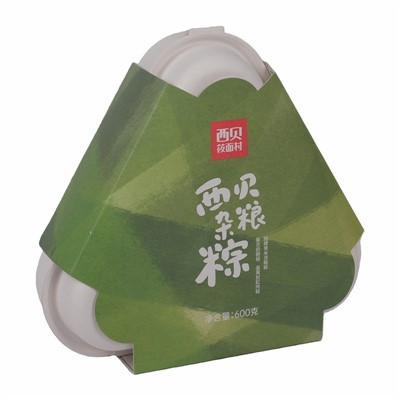
First up, the food and beverage sector, and that’s where I do most of my volume. This isn’t just the random clamshell you pick up at the grocery store for strawberries; it’s way more. Think about your local coffee shop’s to-go cup lids—those little brown circles that keep your latte from spilling are often moulded pulp, not plastic. We also make the trays for salad greens, the dividers that separate sushi rolls and sashimi in takeout boxes, and even the molded cups for craft beer flights. What makes this industry such a big user? Food safety, for one. Moulded pulp is naturally non-porous (we treat it a little with food-safe coatings if needed, no weird chemicals), so it doesn’t leach into food the way some plastics do. And let’s be real—brands are panicking over plastic bans these days. Cities like San Francisco and Portland already banned single-use plastic food containers, and more are jumping on board every quarter. A few months back, a chain of 20 grocery stores in the Pacific Northwest reached out because their old plastic berry clamshells were getting flagged in local compliance checks. They needed a supplier fast, and we fit the bill—quick turnaround, affordable, and their customers didn’t even notice a difference in quality. That’s the thing about moulded pulp for food: it works exactly as well as plastic, but it’s way better for the planet.
Next, electronics and tech. This surprised me at first, because I always thought fragile gadgets needed heavy Styrofoam inserts. But no—moulded pulp is shock-absorbent, customizable, and way cheaper to ship than bulky plastic foam. I’ve made inserts for wireless earbuds, laptop chargers, even whole tablet computers. A startup that sells portable projectiles reached out last year; they were using custom foam inserts before, and each shipment was costing them an extra $1.20 just for the foam. We redesigned a mould for them, swapped in pulp, and their shipping costs dropped by 40%. The best part? Their customers loved it too. When you unbox a projector that’s held in by soft brown pulp, it feels premium, not cheap. Tech companies also love that moulded pulp is easy to recycle, right in with cardboard. They don’t have to deal with separate waste streams for Styrofoam, which saves time and waste management fees. I even supply a few firms that make medical devices—small, fragile tools that need protection, but can’t have any plastic residue. Moulded pulp is perfect there, because it’s made from recycled paper (usually old cardboard or newspaper) and doesn’t shed tiny plastic bits into sensitive equipment.
Then there’s the agriculture and horticulture industry. This is where moulded pulp gets really interesting beyond just packaging. A lot of people know about seed starter pots—you fill them with soil, plant a seed, and when it’s time to transplant, you just stick the whole pot in the ground. The pulp biodegrades, so no plastic waste left behind. But that’s just the start. We make seed trays for commercial farms, the ones that hold 50 or 100 seedlings at a time. They’re sturdier than individual pots, easy to stack for shipping, and way lighter than plastic. Some nurseries also use pulp pots for succulents and small houseplants. A local garden center became a repeat customer last year; they switched from plastic pots because their customers were asking for more eco-friendly options, and they told me sales of potted plants went up 15% within a few months. We even make pulp liners for hanging baskets, to line the top of soil so it doesn’t spill out when you’re watering. For farmers, the cost adds up too—moulded pulp is cheaper per unit than plastic pots for bulk use, so they save money while cutting their plastic footprint.
The third big industry for me is retail and e-commerce packaging, beyond just food. This is the stuff that shows up when you order a shirt online, or a pair of shoes, or a book. A lot of e-commerce brands are ditching plastic bubble wrap and poly mailers for moulded pulp inserts because they look great, are recyclable, and don’t take up space in landfills. I’ve made custom inserts for clothing brands to keep shirts from wrinkling in the mail, and for shoe boxes to hold sneakers in place. One small apparel brand I work with does most of their sales on Instagram and TikTok, and they told me their customers post unboxing videos all the time. The brown, textured pulp looks way better in those videos than plain plastic wrap, and they’ve gotten comments from followers saying the unboxing felt “sustainable” and “thoughtful.” For retailers, it’s a win-win: they meet customer demand for eco-friendly packaging, and they don’t have to spend a ton on custom designs. We can tweak the mould to add a logo or a brand message, no extra hassle. Even big box stores have started using pulp packaging for their private label goods; last quarter, a national hardware chain ordered 50,000 pulp inserts for their small garden tools, because their suppliers pressured them to reduce plastic waste across the board.
Wait, let’s not overlook the educational and toy industry. You don’t usually think of toys needing protection, but a lot of board games, puzzle sets, and children’s toys use moulded pulp inserts to hold all the pieces in place. It’s soft enough to keep tiny puzzle pieces from rattling around, and it’s way safer than hard plastic inserts, especially for kids. A board game company I supply makes family games, and they switched from plastic inserts after a customer complained that a plastic edge had nicked their toddler’s hand. Moulded pulp is rounded, no sharp edges, so that problem goes away. Schools too—they use pulp trays for art supplies, like paint bottles and markers, because they’re cheap and don’t hold onto stains or chemicals the way plastic does. I even make small pulp cups for science fairs, to hold samples or display small projects.
Now, why is this all possible? Moulded pulp is made by mixing recycled paper into a slurry, pouring it into custom moulds, pressing out the water, and curing it with heat. It’s super versatile—we can make it thin and flexible for food packaging, or thick and rigid for electronics inserts. We can coat it to make it water-resistant, or leave it plain for items that need to biodegrade fast. And compared to plastics, it uses way less energy to make. A 2022 study from a sustainability research group found that moulded pulp production uses 70% less energy than single-use plastic packaging, and generates 80% fewer greenhouse gas emissions. That’s a big reason more industries are shifting—both for their carbon footprint and their bottom line.
But let’s be real, it’s not just about the numbers. A lot of the businesses I work with told me their customers care more about sustainability than ever before. Younger shoppers, especially, will pay a little extra for products that come in eco-friendly packaging. That’s why I’ve seen demand for moulded pulp jump 30% every year for the past three years. Businesses that don’t switch risk losing customers, or running afoul of new regulations. For example, the EU’s Single-Use Plastics Directive banned a bunch of plastic packaging starting in 2021, so a lot of companies there had to find alternatives fast—moulded pulp was one of the top options.
I know a lot of people still have questions: Is moulded pulp strong enough? Does it hold up in the rain? The answer is yes, with the right coating. We make water-resistant pulp inserts that work great for outdoor gear packaging, like hiking boots or patio furniture, and they don’t fall apart if it rains during shipping. And for fragile items, we can make custom moulds that cradle every part exactly, so even the most delicate gadgets make it to their destination without a scratch.
If you’re a business owner who’s been looking to cut down on plastic waste, or you’re tired of paying high fees for non-recyclable packaging, moulded pulp might be exactly what you need. I’ve worked with everyone from small local shops to large national chains, and I can tell you: it’s reliable, affordable, and it’s only going to get more important as more places crack down on plastic.

If you’re interested in learning more about how moulded pulp can work for your industry, or want to get a quote for a custom order, feel free to reach out and chat. I’m always happy to answer questions, walk through different options, and help you find the right solution for your business.
Cartons References
EPA. (2023). Sustainable Management of Food and Packaging Materials. U.S. Environmental Protection Agency.
Sustainability Research Institute. (2022). Life Cycle Comparison of Moulded Pulp vs. Single-Use Plastics. University of X.
European Commission. (2021). Single-Use Plastics Directive: Implementation Guide. European Union.
National Retail Federation. (2023). 2023 E-Commerce Packaging Trends Report. National Retail Federation.
Garden Supply Association. (2022). Sustainable Packaging for Horticulture: Industry Best Practices. Garden Supply Association.
Dongguang K.B.D Pulp Mould Package Products Co., Ltd.
We are one of the most experienced moulded pulp manufacturers and suppliers in China, specialized in providing high quality products and service. Please feel free to buy bulk customized moulded pulp from our factory. For quotation and free sample, contact us now.
Address: No.4 Caimei 1st Road, Longjiantian Country, Huangjiang Town, Dongguan, China
E-mail: Kevin.wang@kbd.com.cn
WebSite: https://www.kbd-pack.com/
