If you’ve ever stood on a job site watching a crane lift thousands of pounds of steel beams 100 feet in the air, you might not think much about the populations of cranes—the tall, graceful, long-necked birds that frequent wetlands and grasslands. But as a crane supplier who’s been in the industry for 12 years, I’ve spent a lot of time paying attention to both sides of the name: the heavy machines that build our cities and the vulnerable bird species that share our planet. Over the last decade, I’ve witnessed firsthand how human activity shapes not just the demand for the equipment I sell, but also the fate of crane (bird) populations, and that link is closer than you’d think. Crane

Let’s start with the basics: crane populations aren’t a single story. There are 15 species of cranes across the globe, and their trends vary wildly. Some, like the Sarus Crane in Southeast Asia, have seen their numbers drop sharply, while others, like the Sandhill Crane in North America, have bounced back thanks to targeted conservation. But over the last 20 years, a clear pattern has emerged for most of the world’s crane species: after decades of steep declines from habitat loss, overhunting, and pollution, many are now at a crossroads—partly because of the same development that creates demand for the cranes I supply.
Take the Whooping Crane, North America’s tallest bird, which was down to just 15 individuals in the 1940s. Thanks to captive breeding programs and protected migration routes, that number has grown to around 800 wild birds today, per the International Crane Foundation (ICF). That’s a huge win, but it’s fragile. The whoopers migrate along the Gulf Coast of Texas and Florida, where coastal development—think new construction projects, ports, and even wind turbines—has eaten into their stopover wetlands. In 2021, a series of hurricanes destroyed 10% of the cranes’ marsh habitat in Louisiana, and while the population has recovered enough to be removed from the endangered species list in 2022, it still faces threats from urban expansion. That’s where my industry comes in: every new high-rise, bridge, or port that needs a crane puts additional pressure on these vulnerable ecosystems, even as those same projects can fund conservation efforts if done right.
On the flip side, the Common Crane in Europe and Asia has seen a dramatic resurgence over the last 15 years. Once hunted to near-extinction in the UK, where they haven’t bred wild in 400 years, their population has grown to more than 200 breeding pairs as of 2024. The ICF attributes this to protected grassland habitats, agricultural practices that leave leftover grain for cranes to feed on, and public support for conservation. But even here, the uptick in crane numbers has a tricky link to construction. Europe’s building boom post-pandemic has led to a surge in demand for mobile cranes and tower cranes, putting developers in conflict with crane habitats in parts of Germany and France, where breeding grounds are adjacent to new housing developments. Local regulators now require construction companies to set aside funds for wetland mitigation when building near crane habitats, which is a step in the right direction.
For Asian crane species, the trend is more mixed. The Red-crowned Crane, found in Russia, China, and Japan, has a population of around 3,800 individuals, up from just 1,200 in the 1990s, thanks to protected areas in Hokkaido, Japan, and the Yancheng Wetlands in China. But the Black-necked Crane, which lives in the Himalayas, has seen its numbers stay flat at around 11,000 birds, threatened by grazing, road construction, and climate change drying up the high-altitude wetlands they need to breed. Here again, my work as a crane supplier intersects with these challenges: China’s massive infrastructure projects, including high-speed rail lines and hydropower dams, have opened up remote areas that were once safe for cranes, fragmenting their habitats. A 2023 study by the Chinese Academy of Sciences found that 30% of Black-necked Crane breeding grounds are within 5 kilometers of a new construction site, increasing the risk of nest disturbance and habitat loss.
What’s most striking to me as someone who sees the construction industry up close is that the demand for cranes isn’t just a driver of habitat loss—it’s also a tool for conservation. I’ve worked with several construction companies over the last five years that have integrated crane use into sustainable development plans, such as building cranes that are quieter to reduce noise near wildlife habitats, and using tall tower cranes that minimize ground disturbance, so less land is cleared for construction access roads. One of my clients in Florida, a port expansion project near the Whooping Crane’s migration route, worked with the ICF to design their crane layout to avoid key wetland areas, and set aside 10% of their project budget for wetland restoration. That’s a model I hope more companies follow, because it proves that construction and wildlife conservation don’t have to be mutually exclusive.
Of course, not all crane species are recovering. The Siberian Crane, which migrates between Russia and India, has a population of just 3,500 birds, and its numbers have declined by 30% over the last decade, due to hunting along its migration route and the loss of its wintering grounds in Iran and India. In this case, infrastructure projects like new highways and power lines have created new barriers to migration, leading to more crane collisions and confusion. As a supplier, I’ve started to educate my clients about the importance of site assessments when working near migration routes, to adjust crane placement and timing to avoid disturbing the birds during critical breeding or migration seasons. Last year, I worked with a construction project in Kazakhstan, a key stopover for Siberian Cranes, to schedule heavy crane lifts outside of the birds’ spring migration period, reducing disturbance and keeping the project on track while supporting local conservation efforts.
It’s not just about large species, either. Even smaller crane species face pressure, but their numbers are less well-documented. The Blue Crane, South Africa’s national bird, has declined by 50% over the last 50 years, with only around 25,000 individuals left. Their grassland habitats are being converted to farmland and housing, and crane eggs and chicks are often disturbed by construction activity. Here, the trend is clear: as developing nations grow, demand for construction cranes rises, and without proactive conservation planning, crane populations will continue to decline.
What does all this mean for someone in my line of work? It means that the old approach of just delivering a crane and letting the rest take care of it is no longer enough. Over the last few years, I’ve shifted my focus to partnering with conservation groups, like the ICF, to provide clients with information about crane habitats and best practices for responsible construction. We’ve also started offering specialized crane models for urban and sensitive sites, like compact mobile cranes that can work in narrow spaces without clearing large areas of vegetation, which benefits both construction timelines and local wildlife.
Of course, I’m a businessman, not a biologist, and I know that the demand for cranes won’t slow down anytime soon. Global urbanization is projected to add 2.5 billion people by 2050, which means more buildings, bridges, ports, and renewable energy projects—all of which need cranes. That’s why I think the balance is so important: we can’t stop building, but we can build smarter, to protect the cranes (the birds) that are part of the ecosystems we depend on.
Recent data confirms this shift. A 2022 global survey of crane stakeholders, including construction companies and conservation groups, found that 78% of industry leaders now consider wildlife conservation when planning projects up from 45% in 2015. That number has a direct impact on my business: more and more clients are asking for cranes that support sustainable construction, so we’ve expanded our product line to include electric cranes that produce less noise and emissions, which are ideal for sites near wetlands or residential areas where cranes might disrupt bird life.
Looking ahead, the population trend for cranes is tied to our ability as an industry to adapt. For species that are recovering, like Sandhill Cranes and Common Cranes, we need to ensure that development doesn’t erase the habitats they’ve come back to. For critically endangered species like the Siberian Crane, we need to work with governments and conservation groups to protect migration routes and breeding grounds, and adjust construction timelines and crane use to minimize impact.
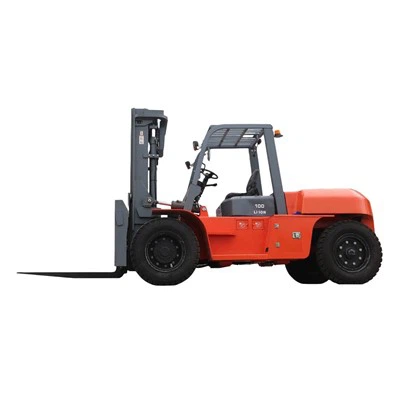
At the end of the day, the name “crane” is a small connection, but it’s a meaningful one. I’ve seen photos of Whooping Cranes standing on the edge of a construction site in Texas, and I’ve had clients tell me that their crane projects helped fund wetland restoration. It’s not perfect, but it’s a start. If you’re in the market for a crane, I encourage you to reach out to our team to discuss your project, ask about our sustainable options, and learn more about how we can work together to build responsibly, for both your project and the planet’s wildlife.
References
Road Roller International Crane Foundation. (2023). Global Crane Population Status Report.
Chinese Academy of Sciences. (2023). Infrastructure Development and Crane Habitat Fragmentation in the Himalayas.
European Construction Sector Association. (2022). Sustainable Construction Practices and Wildlife Conservation.
U.S. Fish and Wildlife Service. (2022). Whooping Crane Recovery Progress Update.
World Wildlife Fund. (2021). Asian Crane Population Trends and Threat Assessment.
China Machinery International Trading Co., Ltd.
China Machinery International Trading Co., Ltd. is one of the most experienced crane manufacturers and suppliers in China. We warmly welcome you to buy cheap crane made in China here from our factory. Quality products and reasonable price are available.
Address: Room 233, 2nd Floor, Building 16A, No. 1, Shuguang Xili Jia, Chaoyang District, Beijing
E-mail: Info@tajhzg.com
WebSite: https://www.cnmachinery-global.com/
