If you’ve ever driven a car that felt like it was bouncing over every pothole on the highway, or you’ve had to grip the steering wheel a little tighter to keep the vehicle steady around turns, those small, annoying issues might be pointing to something much bigger: a leaking shock absorber. As someone who’s worked in the shock absorber supply industry for over a decade, I’ve seen firsthand how many drivers dismiss these symptoms as normal wear and tear, or even blame their tires before realizing the real problem is right under their feet. Leaking shocks aren’t just a minor inconvenience—they’re a safety hazard, and catching the early signs can save you from costly repairs down the line. Let’s break down the most common symptoms of a leaking shock absorber, how to spot them, and what you should do if you notice them. Shock Absorber
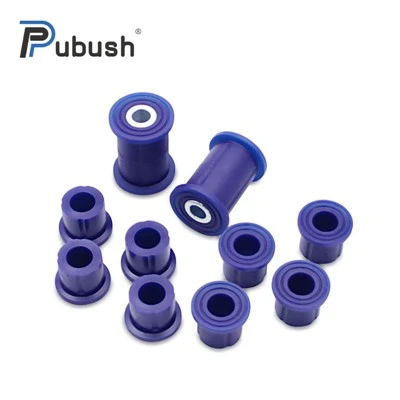
First, let’s get the basics straight: shock absorbers (or dampers, as many mechanics call them) are part of your vehicle’s suspension system, designed to control the rate at which your springs compress and rebound. When a shock leaks, the hydraulic fluid inside escapes, so the component can’t do its job effectively. That fluid isn’t just for show—it’s what smooths out the bumps, keeps your tires in contact with the road, and prevents excessive body movement. Over time, seals can wear out, seals can crack from extreme temperatures, or debris can puncture the housing, leading to that slow leak. Early leaks might be hard to notice, but as they get worse, the symptoms become impossible to ignore for attentive drivers.
One of the first and most noticeable signs is increased bouncing after hitting a bump. If you drive over a speed bump or a pothole and your car continues to bounce two or three times instead of settling back down immediately, that’s a classic red flag. A healthy shock absorber will dissipate the energy from that bump in just one or two movements, keeping your ride stable. I remember a customer once brought in a half-ton pickup that had been acting like a pogo stick—he’d replaced his tires and alignment twice in six months because he thought those parts were the issue, until we inspected his old shocks and found they were 70% low on hydraulic fluid from a slow leak. He’d spent over $1,200 on unnecessary tire work before he realized his shocks were the root cause. That story is a perfect example of how easy it is to mix up suspension symptoms with other parts.
Next, uneven tire wear is a hidden symptom that often flies under the radar. When a shock is leaking, the tire doesn’t stay pressed evenly against the road as it should. Instead, it might bounce or tilt slightly with every movement, leading to excessive wear on specific parts of the tire tread. Usually, this shows up as cupping or scalloping—small, dented patches or uneven ridges across the tread. If your tires are wearing out faster than expected, or if you notice that the outer edges of the front tires are wearing thin while the center is still fine, that’s not a tire alignment issue alone; it’s often a sign that your shocks can’t keep the tire grounded. We see this all the time in our supply team—when a customer orders replacement shocks for a fleet vehicle after replacing tires that showed cupping, the shock replacement usually fixes the wear pattern within a few thousand miles. That’s a tangible proof of how linked these systems are.
Another symptom you can feel in your hands is reduced steering responsiveness and stability, especially at high speeds or during emergency maneuvers. If your car feels like it’s drifting a little when you take a turn, or if the steering wheel vibrates more than usual at highway speeds, that’s your shocks failing to control the suspension’s movement. When a leak gets bad, body roll (that leaning of the vehicle during turns) increases dramatically, which can make the car feel unsteady. I’ve had to advise a delivery company that their vans were experiencing more side-to-side sway when carrying loads—turns out their rear shocks were leaking, and the weight of the cargo was amplifying the instability. They replaced all four shocks and reported back that the vans handled so much better, even with heavy loads. What drivers might mistake for a “loose” steering rack or worn tires is often a leaky shock.
Fluid leaks themselves are, of course, the most obvious sign. You don’t need to be a mechanic to check this—just walk around your vehicle, look at the bottom of the shock absorbers (they’re attached to the frame and the axle, usually near the wheels), and see if there’s any dark, oily residue. This fluid is the hydraulic oil that’s critical for the shock’s function, so even a small spot on the housing is a leak. Sometimes, this residue can mix with dirt and road grime, making it look like a dark, gritty stain rather than a clear fluid. If you notice this on multiple shocks, that’s a sign your entire suspension system is starting to fail, not just one component. We always tell our customers that even a single small leak in one shock should be checked immediately—replacing one shock at a time can lead to uneven performance, so it’s usually recommended to replace them in pairs.
Braking issues are another less talked-about symptom of a leaking shock absorber. When your shocks aren’t working, your vehicle’s weight shifts forward much more abruptly when you hit the brakes. That sudden weight transfer can make your brakes work harder, leading to longer stopping distances and even brake fade over time. If you’ve noticed that your car takes a little longer to come to a complete stop than it did a few months ago, and you’ve already checked your brake pads and rotors, your shocks are likely the culprit. I can’t count how many times mechanics have called our supply team to order shocks for cars that were in for brake repairs, only to find that the shocks’ poor performance was putting extra strain on the brake system. It’s a domino effect—leaking shocks cause more stress on other parts of the car, leading to higher overall maintenance costs.
Now, it’s important to distinguish between normal wear and tear and a leak. All shock absorbers will eventually wear out, usually between 50,000 and 100,000 miles, depending on driving conditions. If you drive on rough, unpaved roads or carry heavy loads regularly, your shocks will wear out faster, and leaks can occur earlier. But a leak is a specific issue where hydraulic fluid is escaping, even when the component isn’t at the end of its lifespan. For example, a rock chip could puncture a shock’s housing at 30,000 miles, leading to a leak that needs immediate replacement, even if the rest of the shock is still functional. That’s why regular inspections are key—we recommend having your shocks checked every 10,000 miles during routine oil changes, just to catch small leaks before they turn into big problems.

As a shock absorber supplier, we see firsthand the impact that leaking shocks have on vehicle safety and maintenance budgets. Many drivers wait until their shocks are completely failed, leading to worse symptoms and more expensive repairs, but catching leaks early can save hundreds of dollars. If you’ve noticed any of the symptoms I mentioned—bouncing after bumps, uneven tire wear, unstable steering, fluid residue, or longer stopping distances—don’t ignore them. Reach out to our team to discuss your shock replacement needs, whether you’re a private vehicle owner, a fleet manager, or a mechanic looking for reliable shock absorbers. We supply a range of shocks for passenger cars, trucks, SUVs, and commercial vehicles, all designed to be durable and fit perfectly to restore your suspension’s performance.
Vehicle Suspension System References
- National Highway Traffic Safety Administration (NHTSA). Vehicle Suspension System Safety. 2022.
- Automotive Maintenance and Safety Council. Common Suspension Failure Symptoms and Diagnosis. 2021.
- Society of Automotive Engineers (SAE). Shock Absorber Design and Durability Standards. 2020.
- Tire Industry Association. Tire Wear Patterns and Suspension Related Causes. 2022.
Xingtai Refined Machinery and Auto Accessory Co., Ltd.
Xingtai Refined Machinery and Auto Accessory Co., Ltd. is one of the most professional shock absorber manufacturers and suppliers in China, featured by quality products and low price. Please rest assured to wholesale durable shock absorber made in China here from our factory. Customized orders are welcome.
Address: XINGTAI REFINED MACHINERY AND AUTO ACCESSORY CO., LTD507 NORTH TAIHANG ROAD, XINGTAI CITY, HEBEI PROVINCE, PR.
E-mail: lindy@rfauto.biz
WebSite: https://www.pubush-suspension.com/
